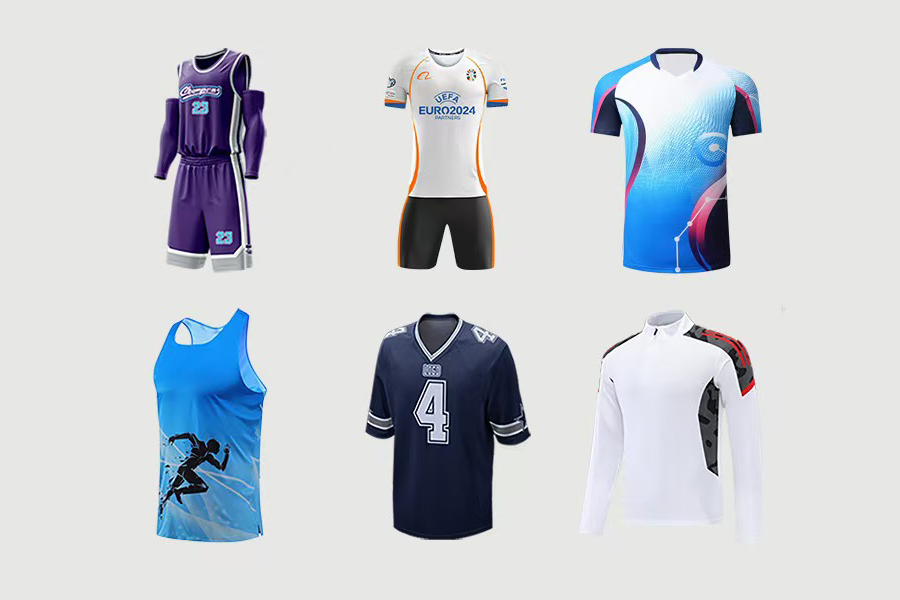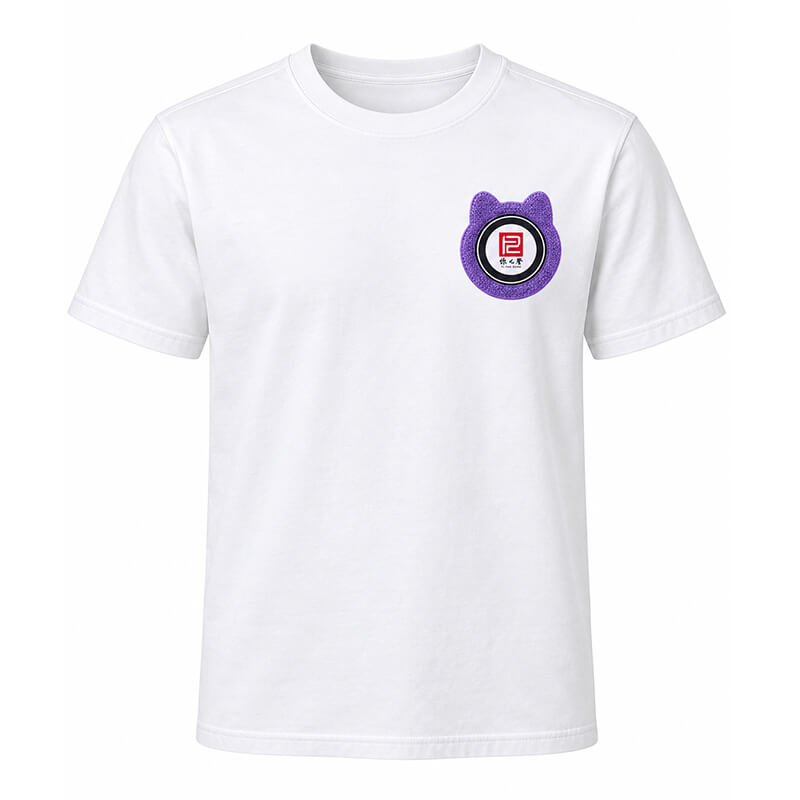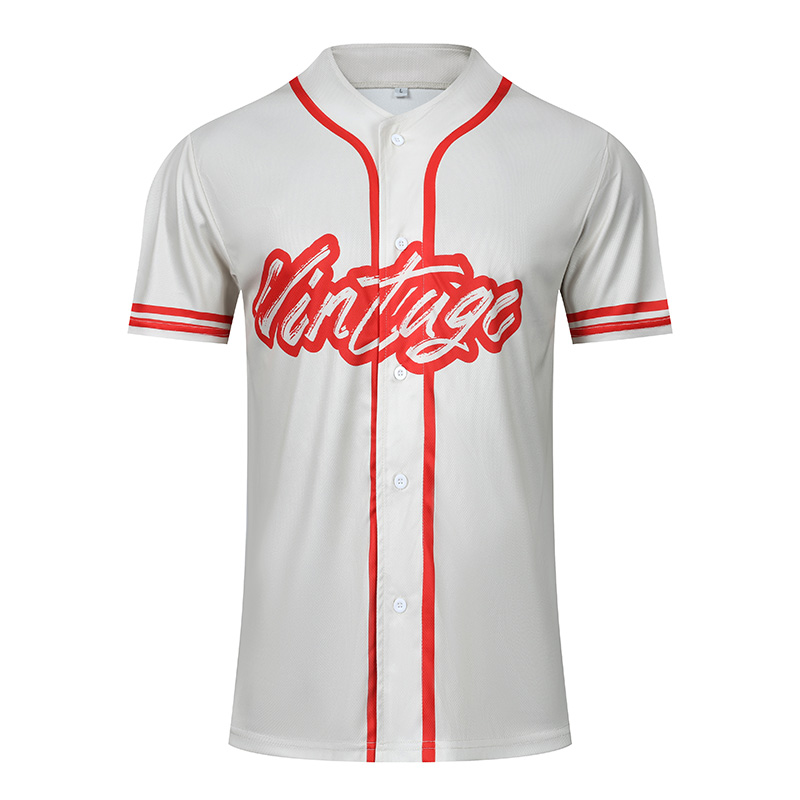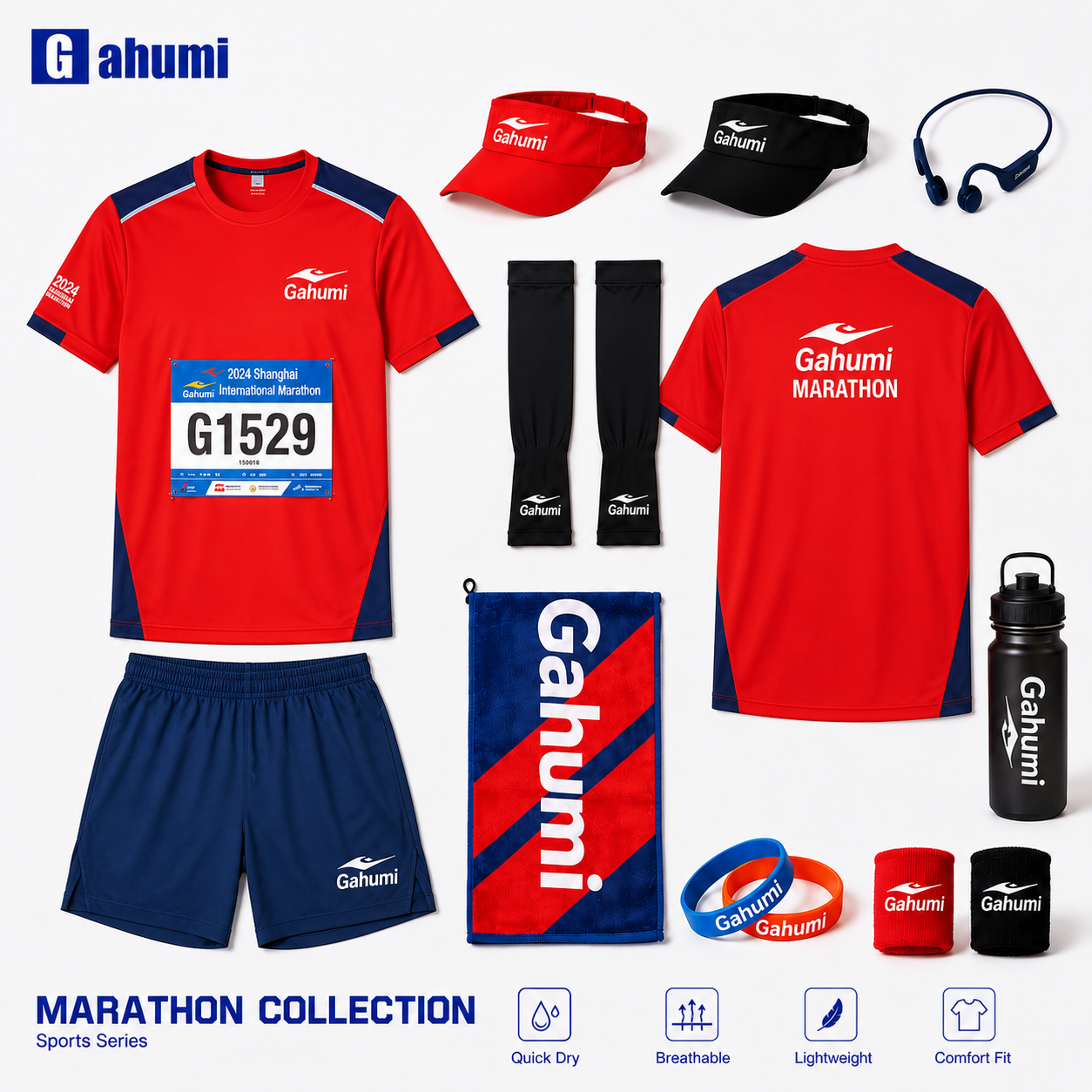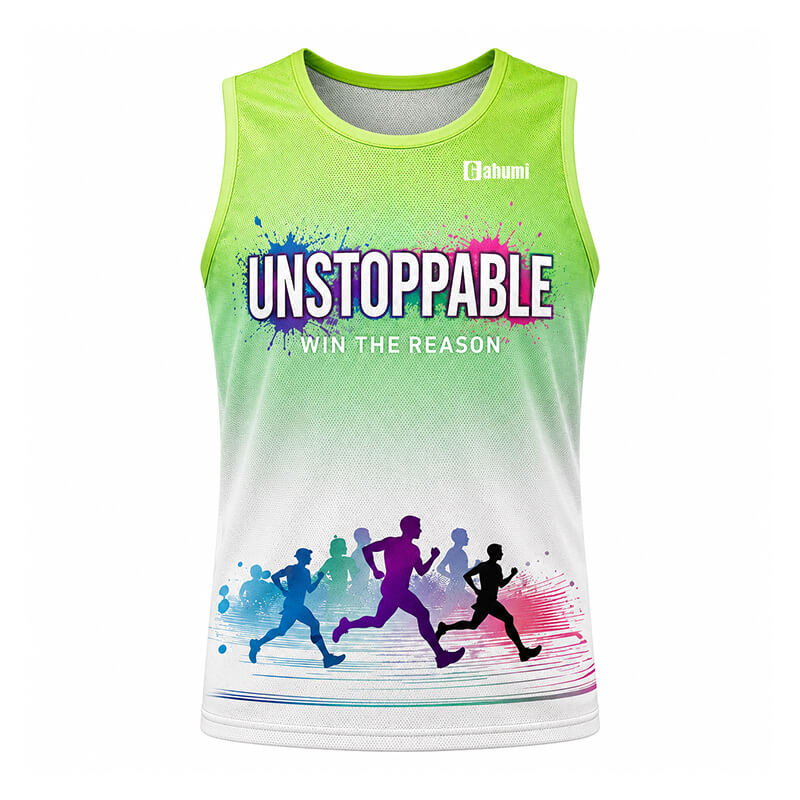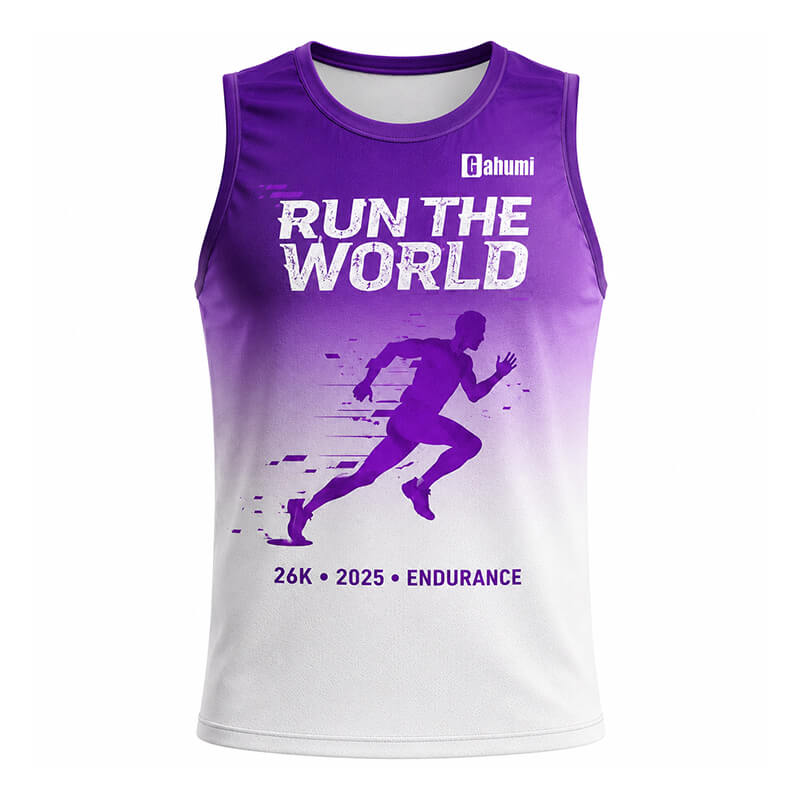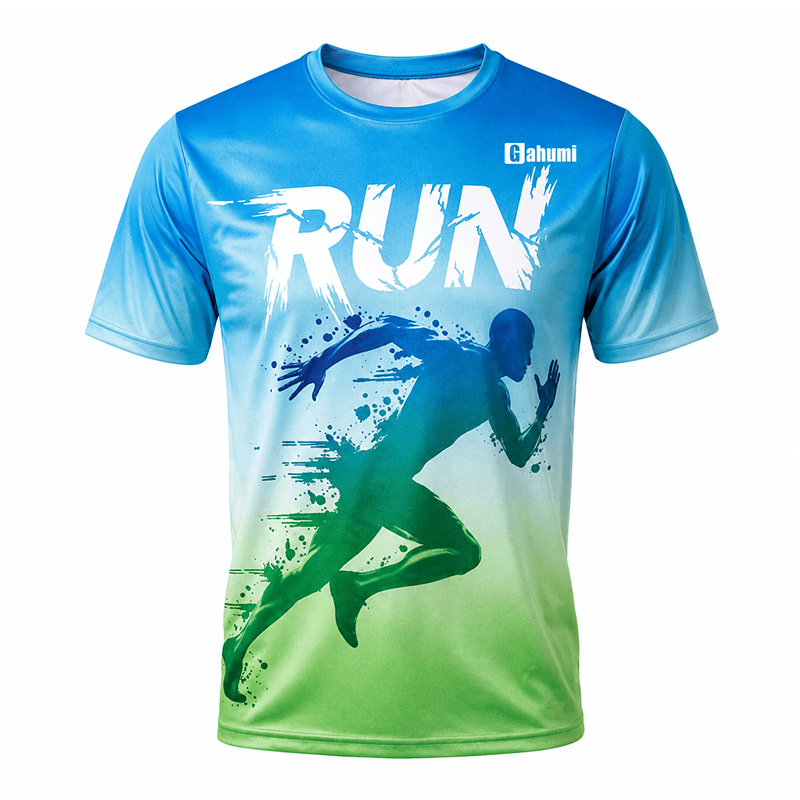
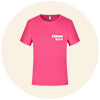
 Tshirt
 Custom Hoodie & Sweat
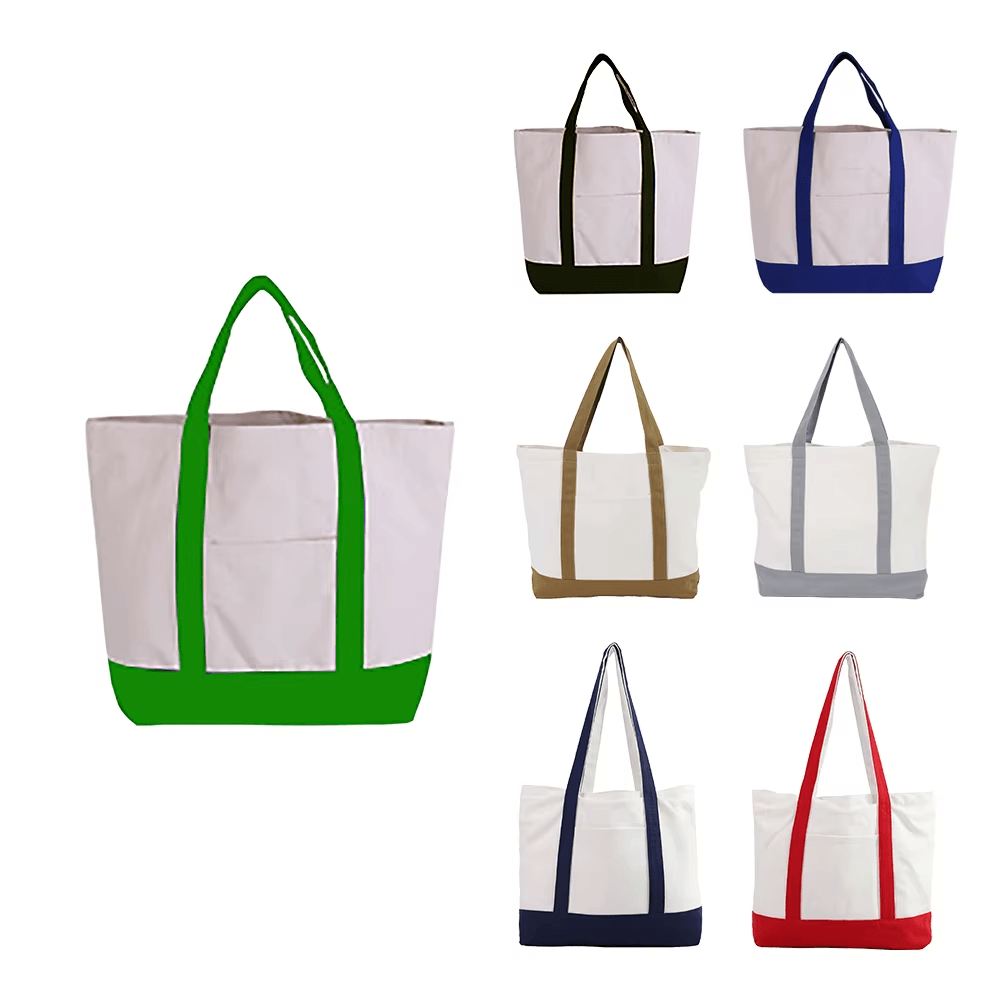
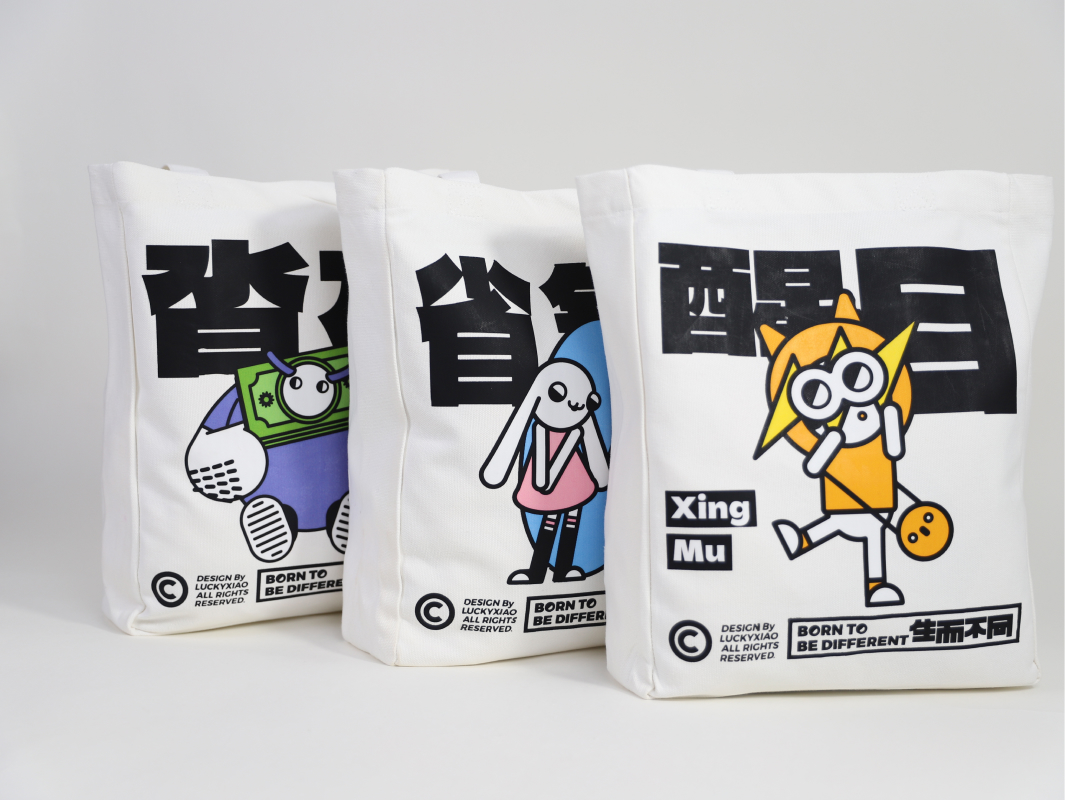
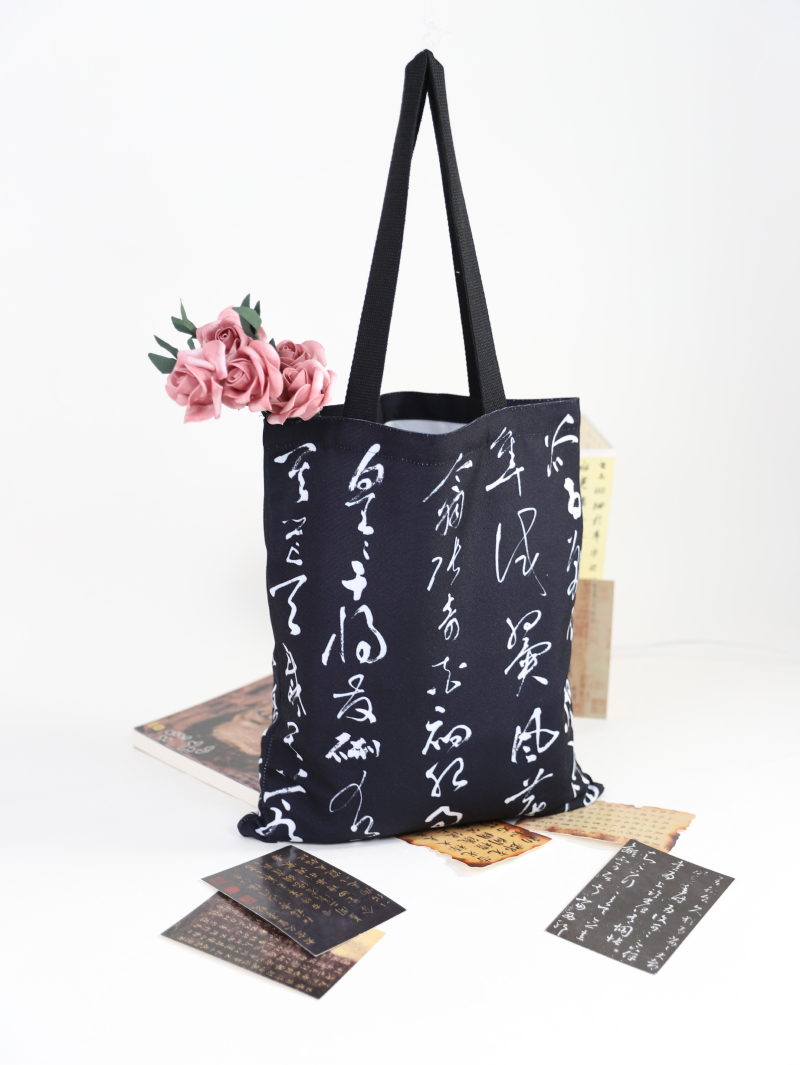
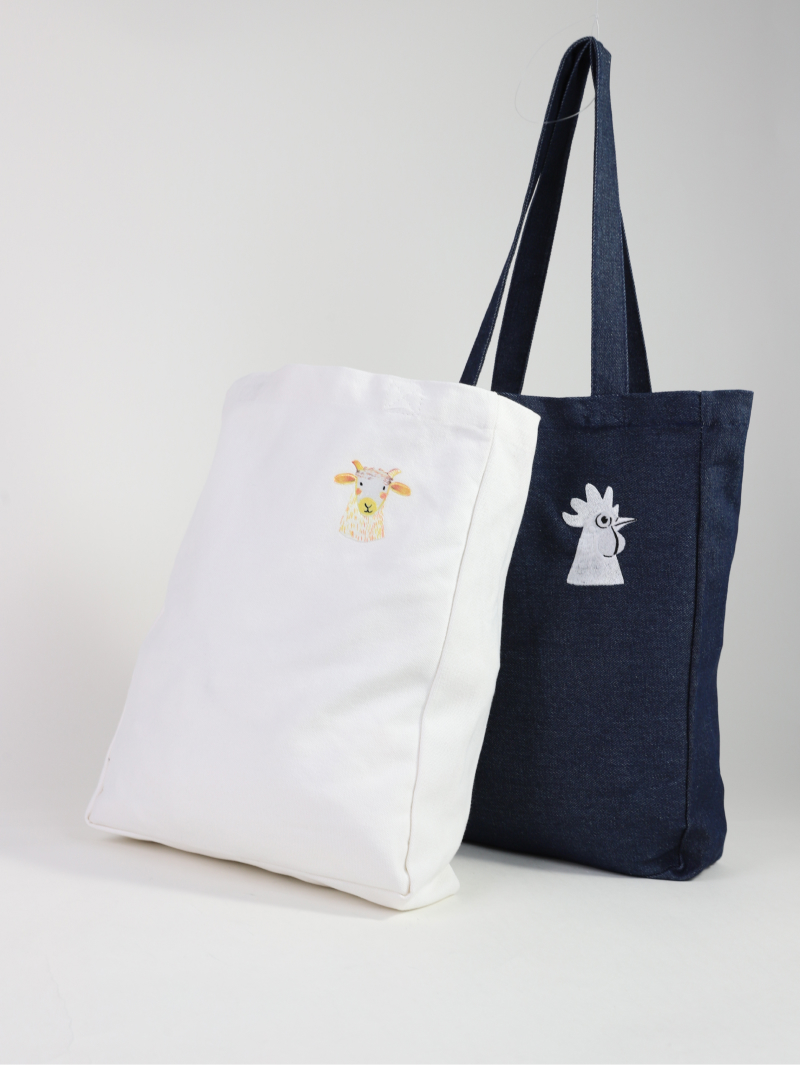
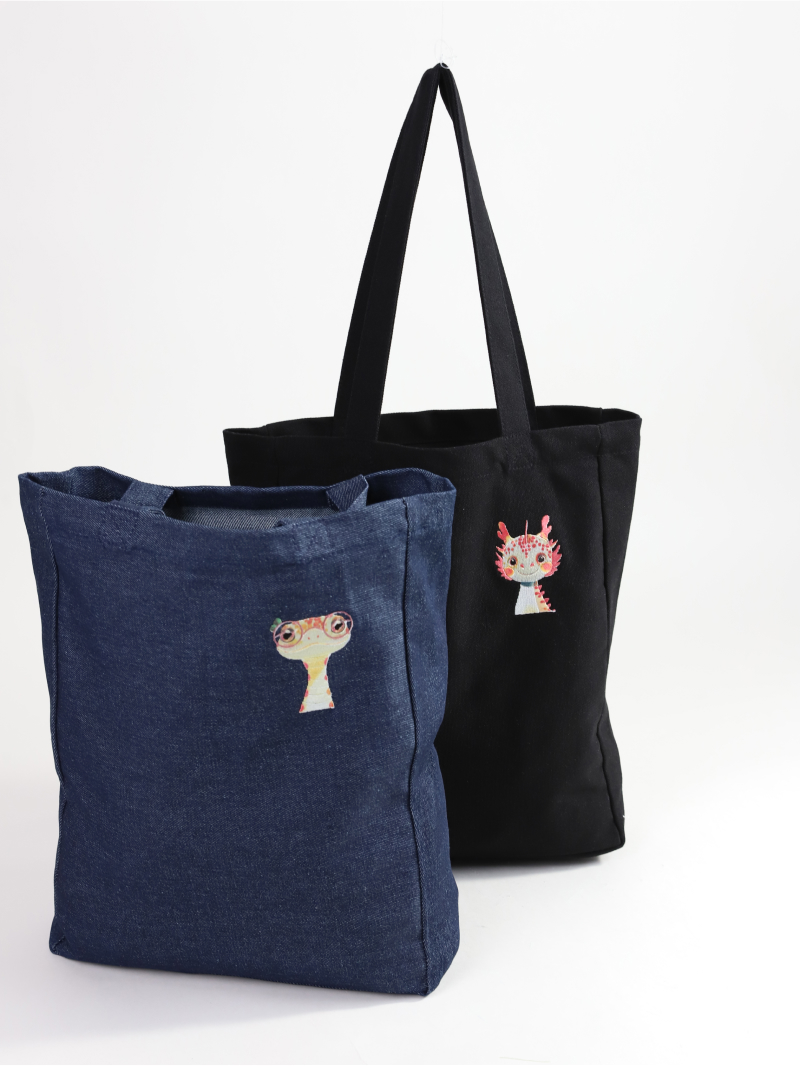
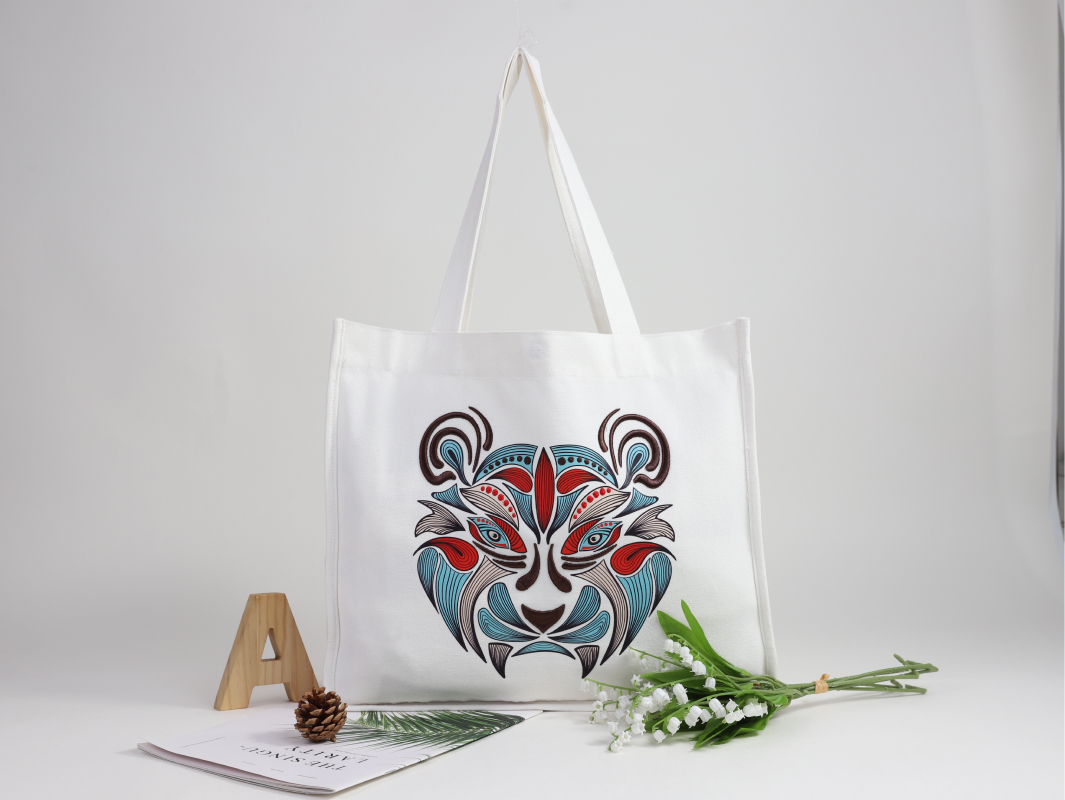
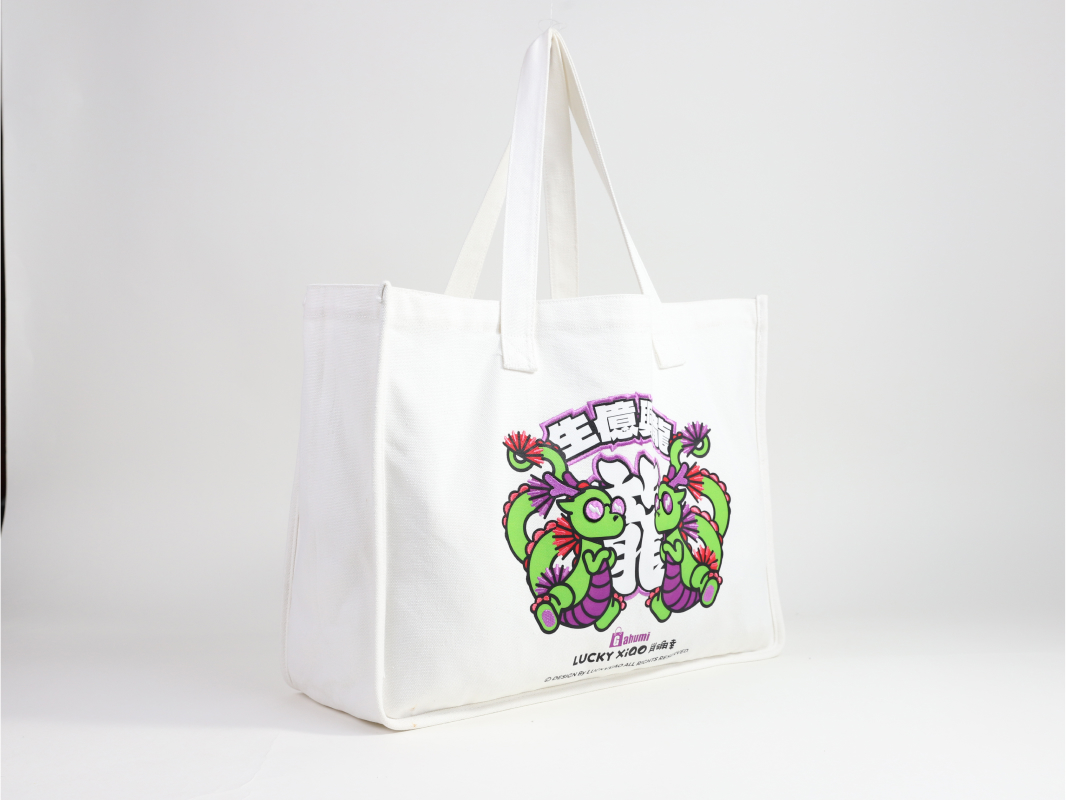
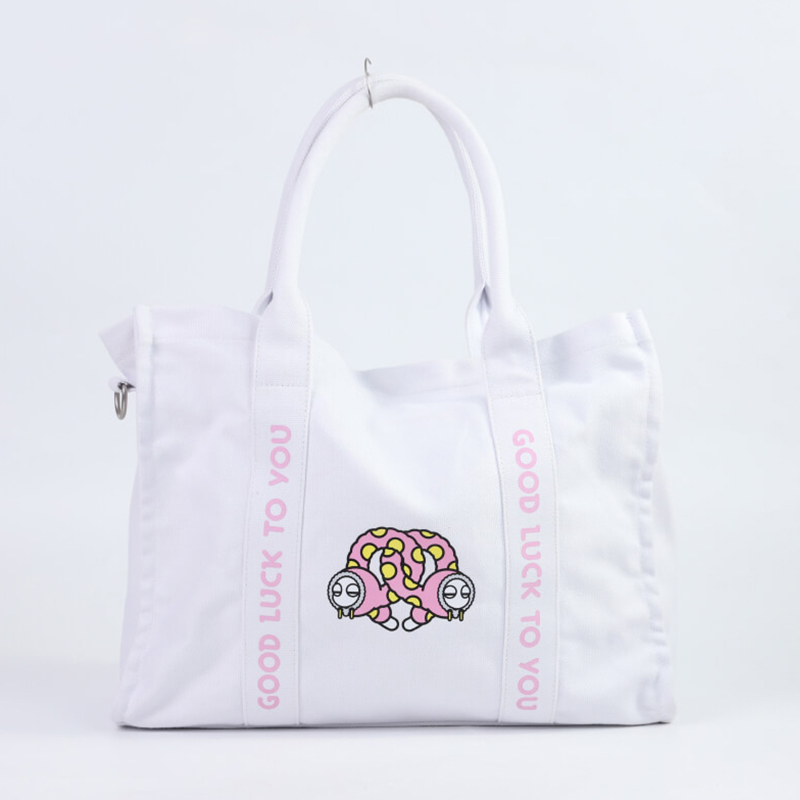
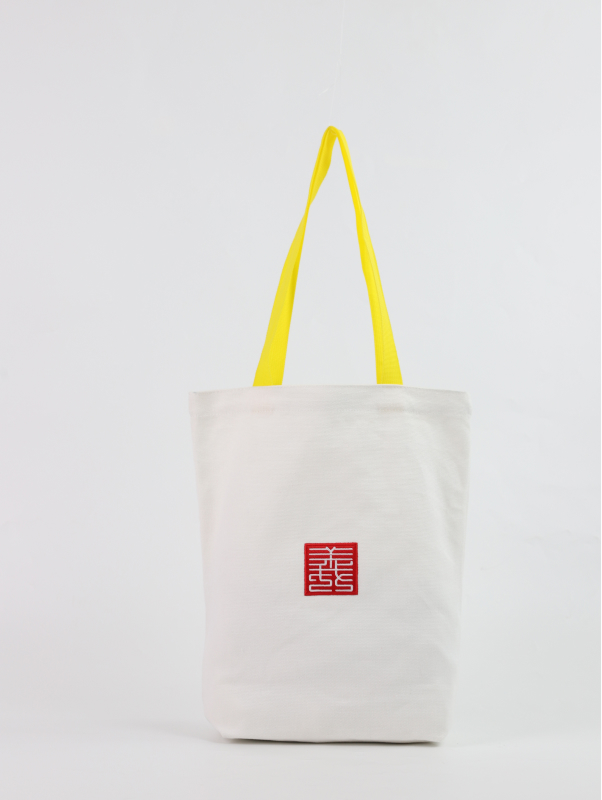
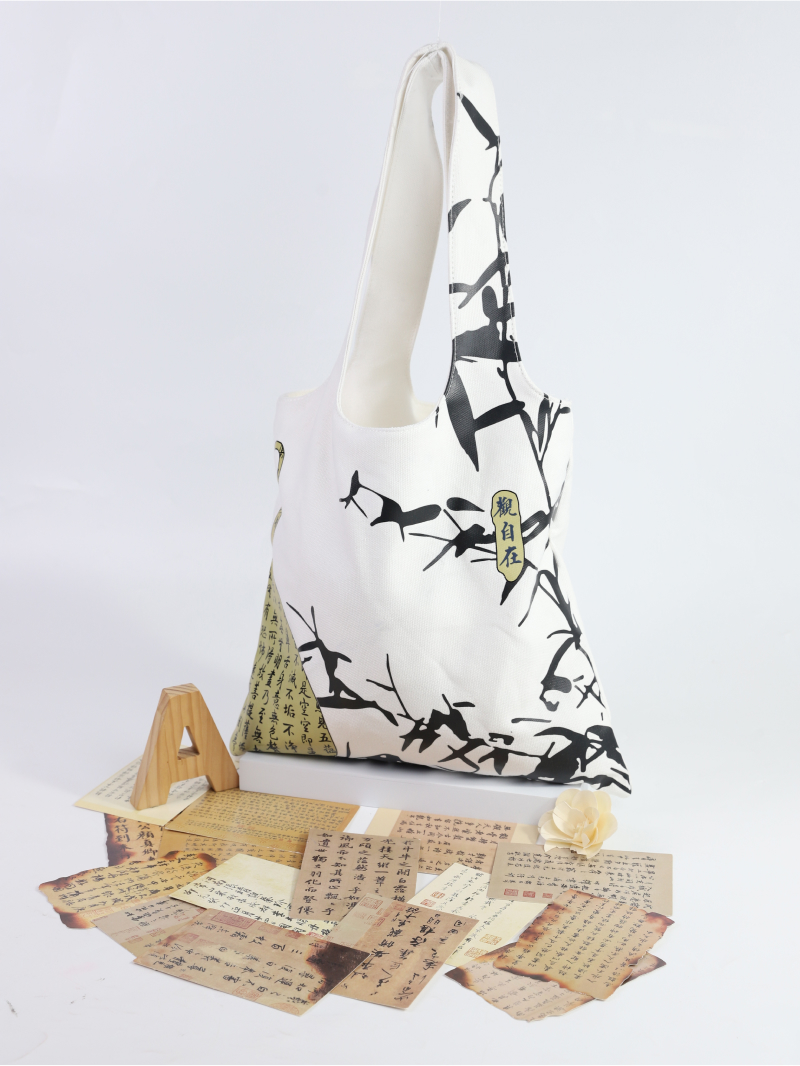
 Custom Bags
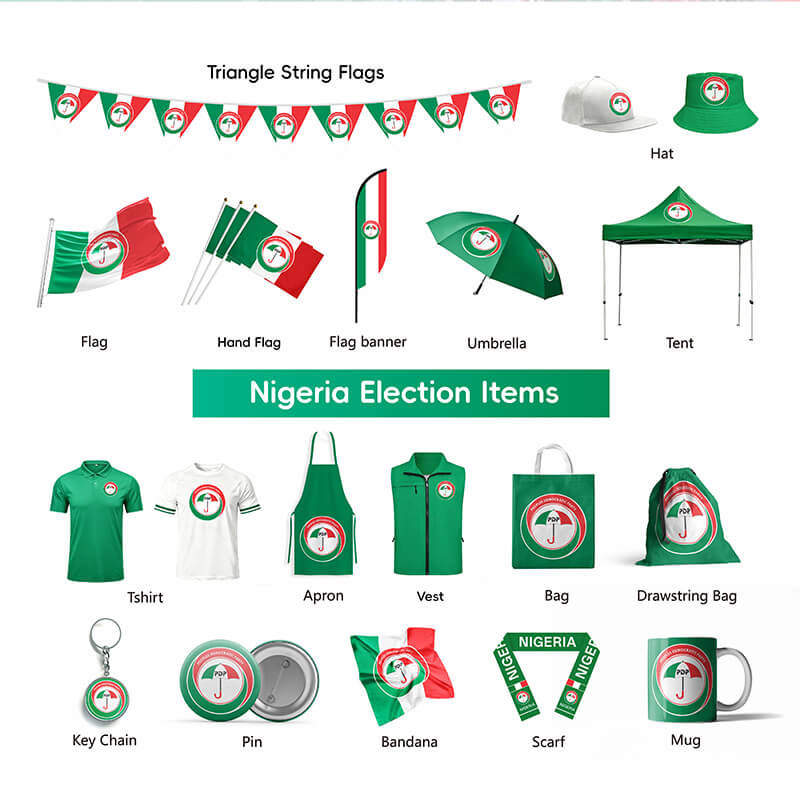
 Flag
Flag
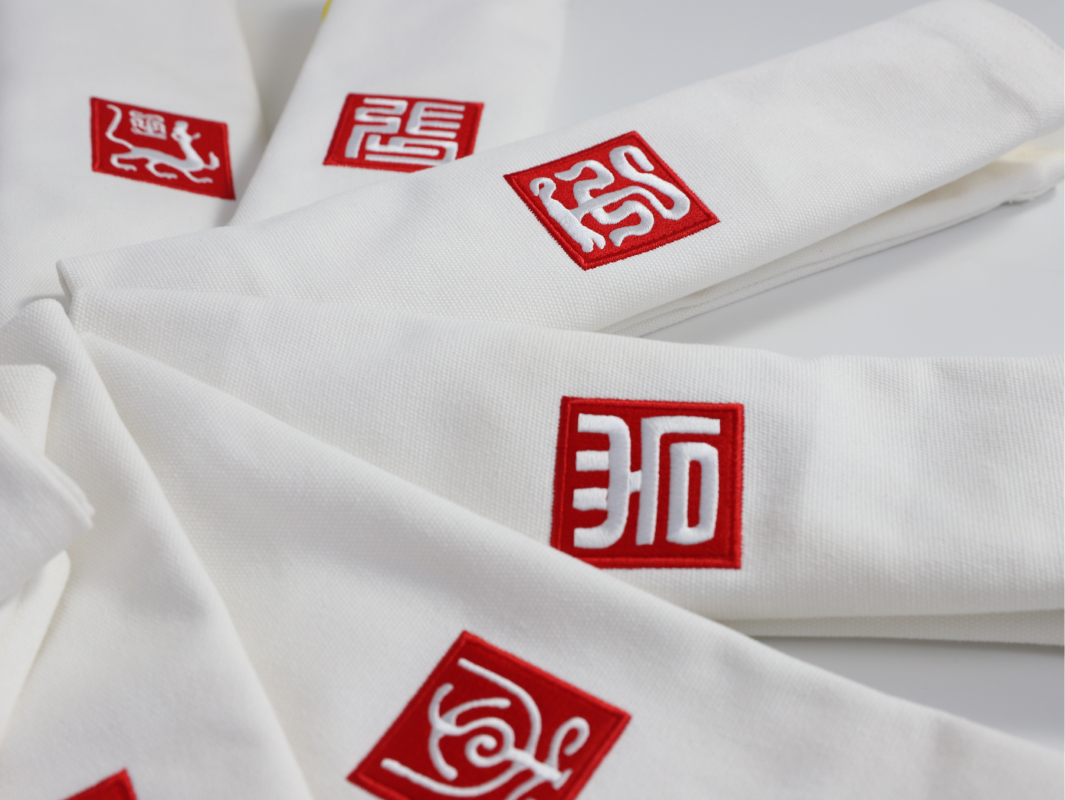
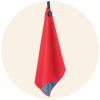 Towel
Towel
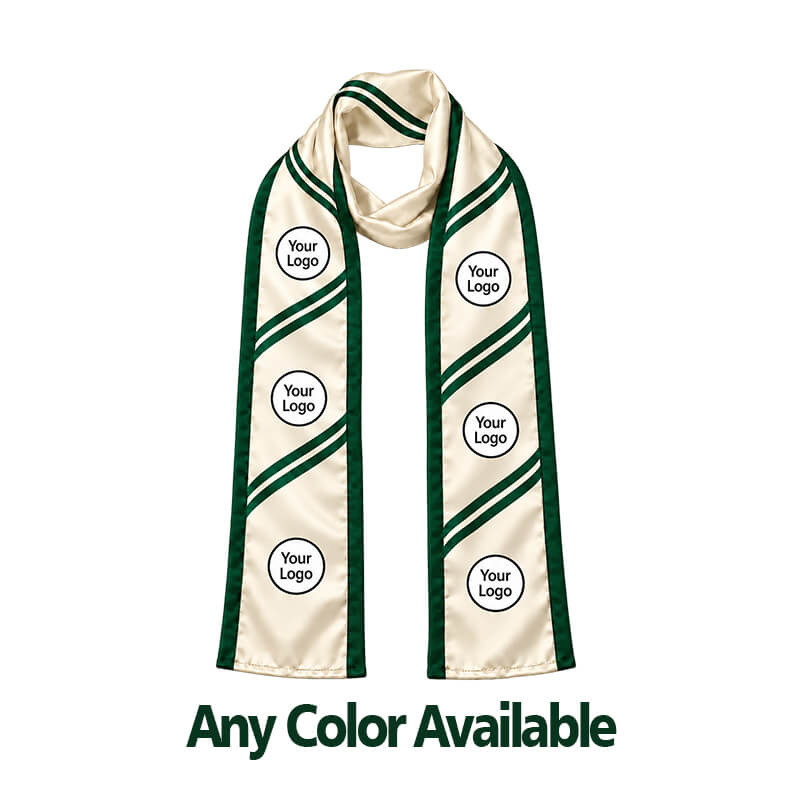
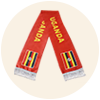 Custom Scarf
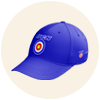 Cap
Cap

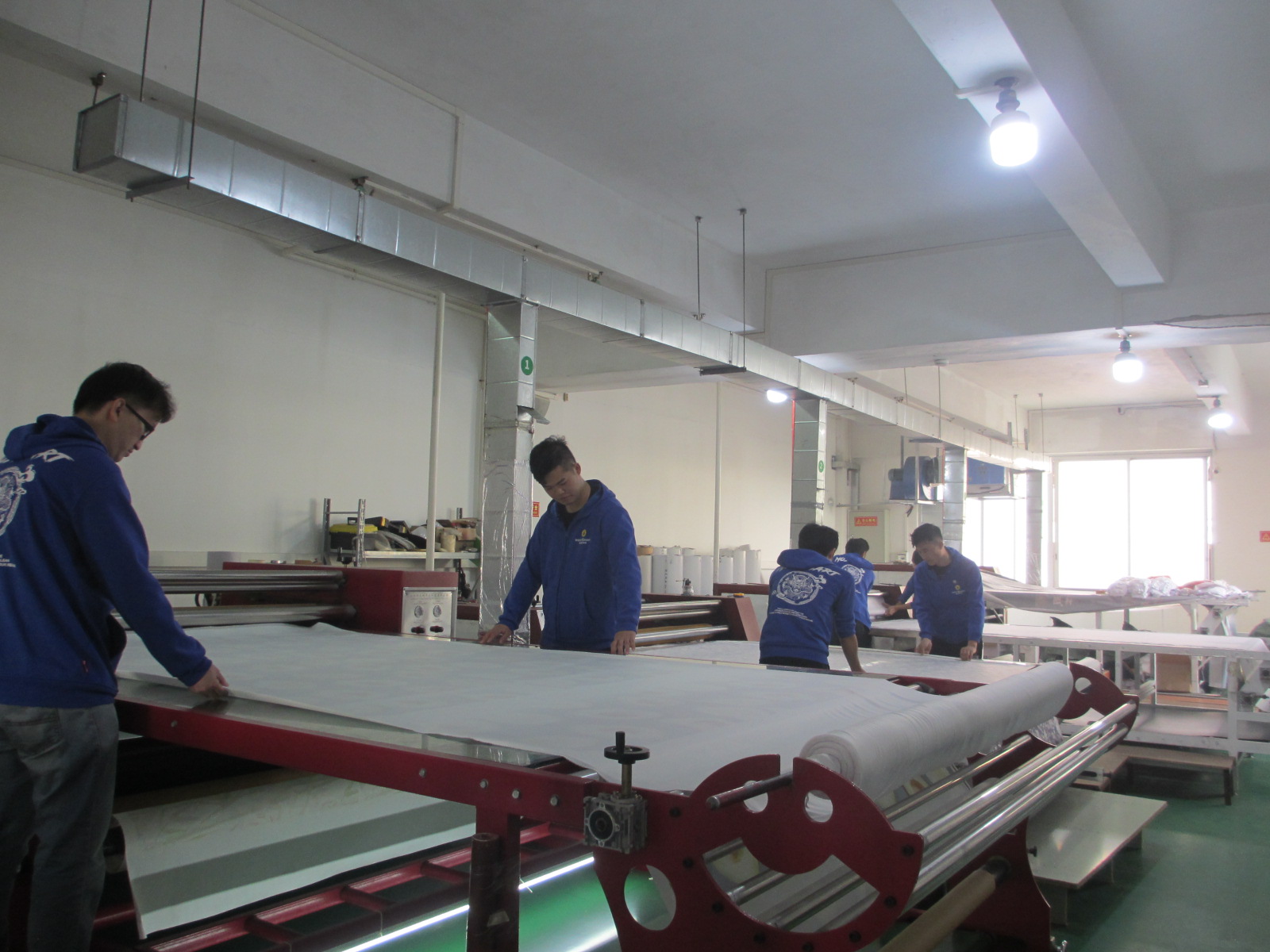
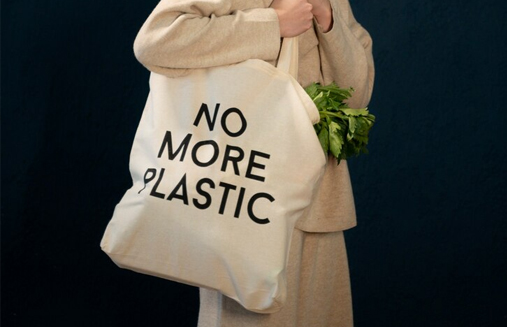
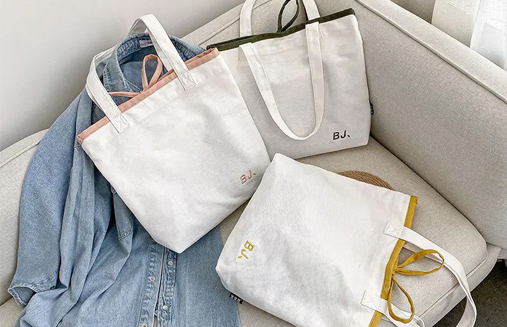

In the age of fast-fashion timelines and viral marketing campaigns, brands face a critical dilemma: How to maintain rigorous quality control while meeting compressed production deadlines? The answer lies in reimagining quality assurance (QA) as a proactive, integrated process rather than a final checkpoint. This article unveils Gahumi’s 20-step inspection system, a revolutionary framework that enables defect rates below 0.3% even for million-unit orders with 15-day turnarounds. By dissecting how this system combines automated precision, cross-functional checks, and real-time data correction, we reveal why leading brands trust Gahumi to deliver flawless T-shirts, event flags, and promotional textiles at speeds that redefine industry standards.
The Fast-Response QA Challenge: Speed vs. Perfection
Traditional QC models crumble under fast-response pressures:
- Myth: “Faster production = More defects”
- Reality: Gahumi achieves 99.7% accuracy at 2x industry speed through:
- Preventive Checks: 60% of inspections occur pre-production.
- Parallel Monitoring: Real-time corrections during manufacturing.
- Closed-Loop Feedback: Defect data instantly updates all workflows.
Using integrated QA systems like Gahumi’s reduce returns by 19% and boost margins by 8%.
The 20-Step Blueprint: From Yarn to Carton
Phase 1: Raw Material Vetting (Steps 1–4)
Fabric Stress Testing: Tensile strength checks for tear resistance (e.g., 200+ cycles for flag polyester). Dye Lot Consistency: Spectrophotometer analysis across 10+ points per roll. Eco-Compliance Scans: Instant HPLC screening for REACH-restricted chemicals. Moisture Control: IR sensors ensure fabrics meet 8–12% humidity standards.
Phase 2: In-Process Controls (Steps 5–12)
Laser-Guided Cutting: ±0.5mm accuracy checks every 30 minutes. Print Registration: Camera systems verify 0.1mm pattern alignment on towels. Thread Tension Monitoring: IoT sensors flag deviations >15% from preset norms. Seam Integrity: Automated pull tests (5kg force) on every 100th T-shirt. Color Fastness: Spot checks under UV and perspiration simulation. Weight Variance: Reject towels beyond ±2% of target GSM. Embroidered Logo Precision: 20x magnified cross-stitch analysis. Interlining Bond Checks: Ultrasonic tests for hat brim adhesion.
Phase 3: Post-Assembly Audits (Steps 13–17)
Dimensional Accuracy: 3D scanners compare products to digital twins. Functional Testing: Flags subjected to 50mph wind tunnel simulations. Packaging Integrity: Drop tests from 1.5m for carton durability. Barcode Validation: 100% scan success rate enforcement. Random Sampling: AQL 2.5 inspections on 10% of batches.
Phase 4: Continuous Improvement (Steps 18–20)
Defect Autopsy: Root cause analysis within 4 hours of detection. Line Worker Retraining: Weekly skill updates based on error patterns. Client Feedback Integration: Monthly QA parameter adjustments.
Case Study: 500K Defect-Free Flags for The Presidential Election Campaign Office of a country in Africa
A UN agency required 500,000 commemorative flags in 12 days. Gahumi’s 20-step system ensured:
- Step 3: Rejected 8 dye lots with PFAS traces in 6 hours.
- Step 7: Adjusted thread tension mid-production after humidity spikes.
Result: Zero defects reported across 37 countries.
The Technology Behind the Curtain (No AI Required)
- Machine Vision: 12MP cameras inspect 1,200 T-shirts/hour for stitching flaws.
- Presses: Embroidery machines auto-adjust needle depth based on fabric GSM.
- Databases: 10,000+ approved samples guide real-time comparisons.
Cost-Benefit Analysis: Why 20 Steps Pay Off
| Metric | Industry Average | Gahumi’s System |
| Defect Rate | 2.1% | 0.29% |
| Returns Processing Cost | $4.20/unit | $0.85/unit |
| Client Retention Rate | 68% | 93% |
Implementing Fast-Response QA: 3 Brand Strategies
- Co-Develop Tolerance Thresholds: Align AQL levels with product use cases (AQL 1.0 for baby towels vs. AQL 4.0 for construction flags).
- Demand Transparency: Access Gahumi’s live QC dashboards for real-time batch status.
- Leverage Preventive Data: Use fabric stress reports to design more durable products.