 Tshirt
 Custom Hoodie & Sweat
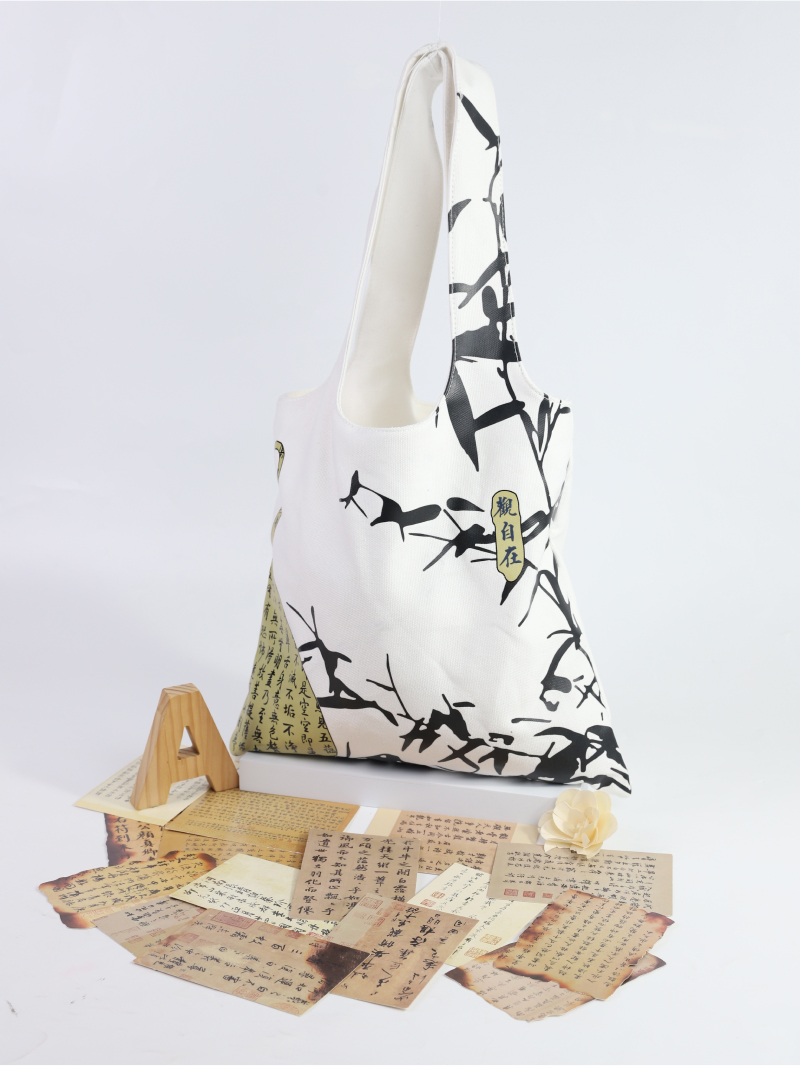
 Custom Bags
 Flag
 Towel
 Custom Scarf
 Cap

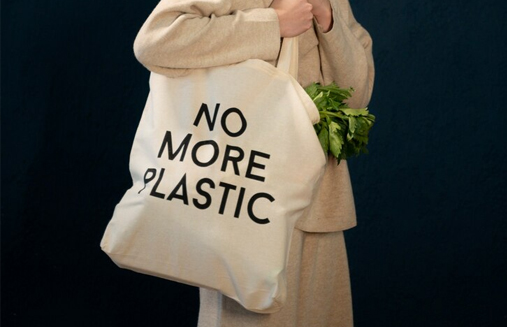
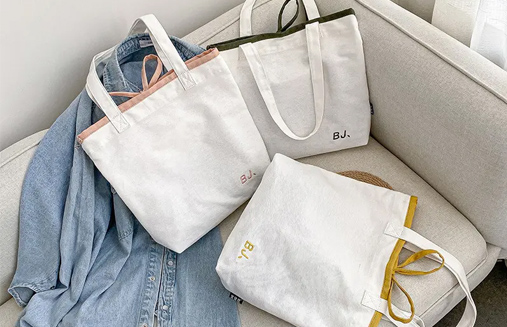
Custom apparel helps businesses maintain a unified brand image and makes staff instantly recognizable. For procurement managers, corporate buyers, wholesalers, distributors, and event organizers, ordering in bulk involves far more than picking a style from a standard catalog.
Fabric choice, fit, logo decoration, sizing, and lead times all directly impact the final order. Avoiding these seven common mistakes helps eliminate unnecessary revisions and prepare accurate specifications before requesting a factory quote for your custom teamwear.
1. Choosing Uniforms Based on Price Alone
A lower unit price does not always mean lower overall procurement costs. Fabric weight, garment construction, printing techniques, and order volume all influence the final quotation.
Before comparing suppliers, confirm what each quote includes. Two garments with similar designs may use completely different fabric grades or decoration methods, affecting both durability and cost.
-
Product Specs: Fabric composition, garment weight (GSM), and stitching density.
-
Decoration & Finish: Printing/embroidery quality and custom packaging.
-
Logistics & Terms: Sample fees, production lead time, and total shipping costs.
2. Choosing the Wrong Fabric for the Environment
Different staff roles require specific fabric characteristics. Office personnel typically prefer crisp polo shirts for a neat appearance, whereas outdoor teams and athletic groups demand lightweight, highly breathable materials.
Cotton, polyester, and blended fabrics each offer distinct properties based on the working environment, usage frequency, budget, and desired look.
-
Corporate Polo Shirts: Ideal for office, retail, and corporate uniform programs.
-
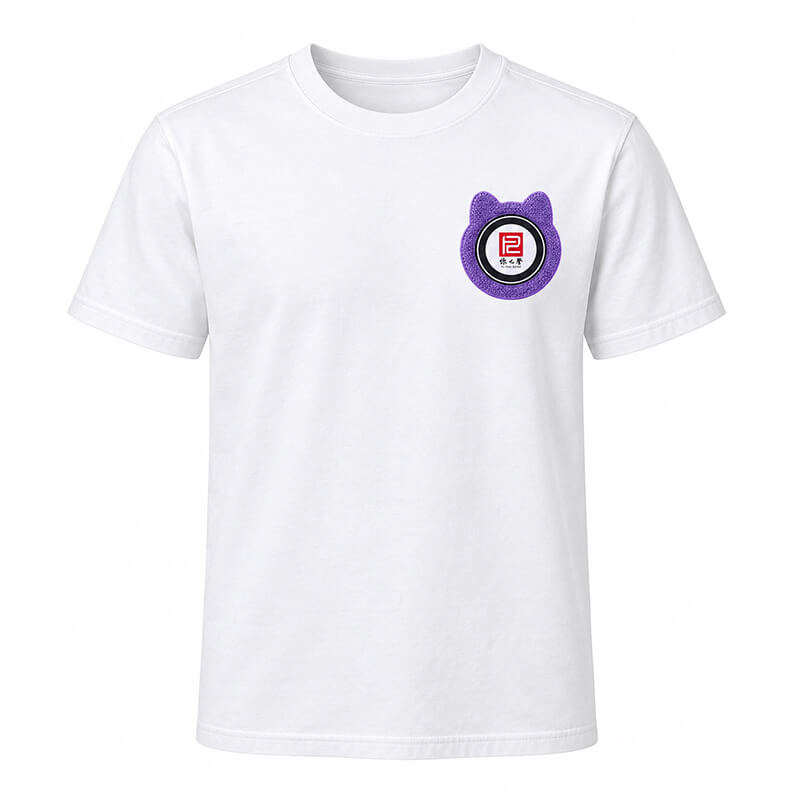
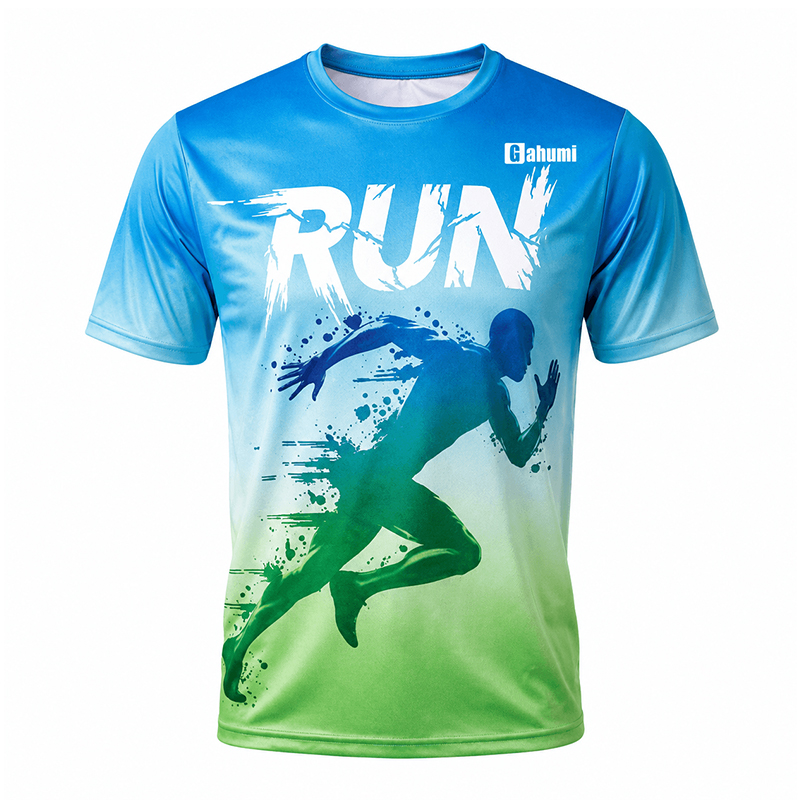
Custom T-Shirts: Suitable for casual staff, promotional teams, and large events.
-
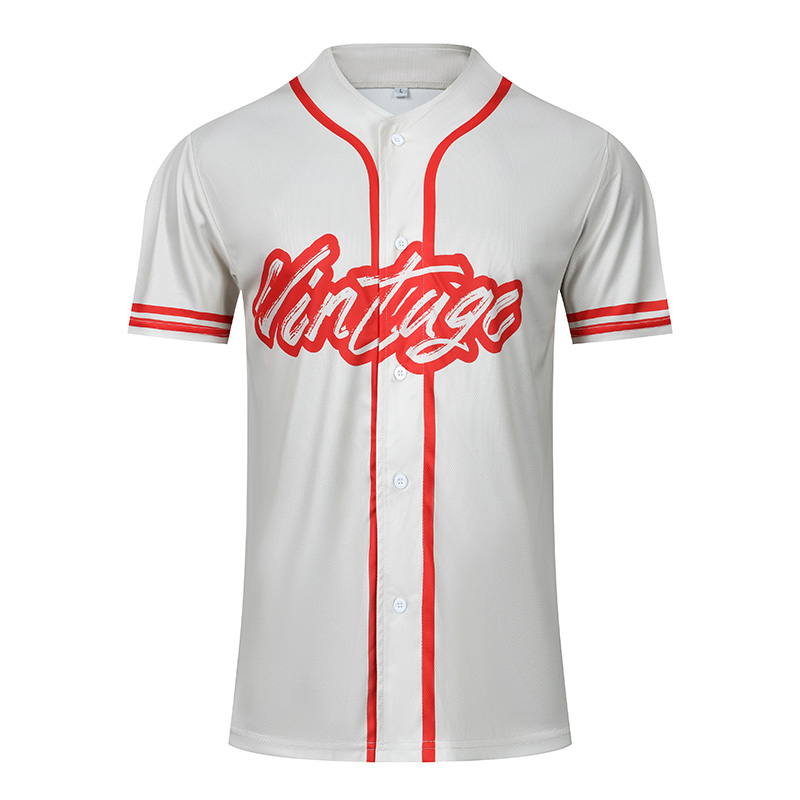
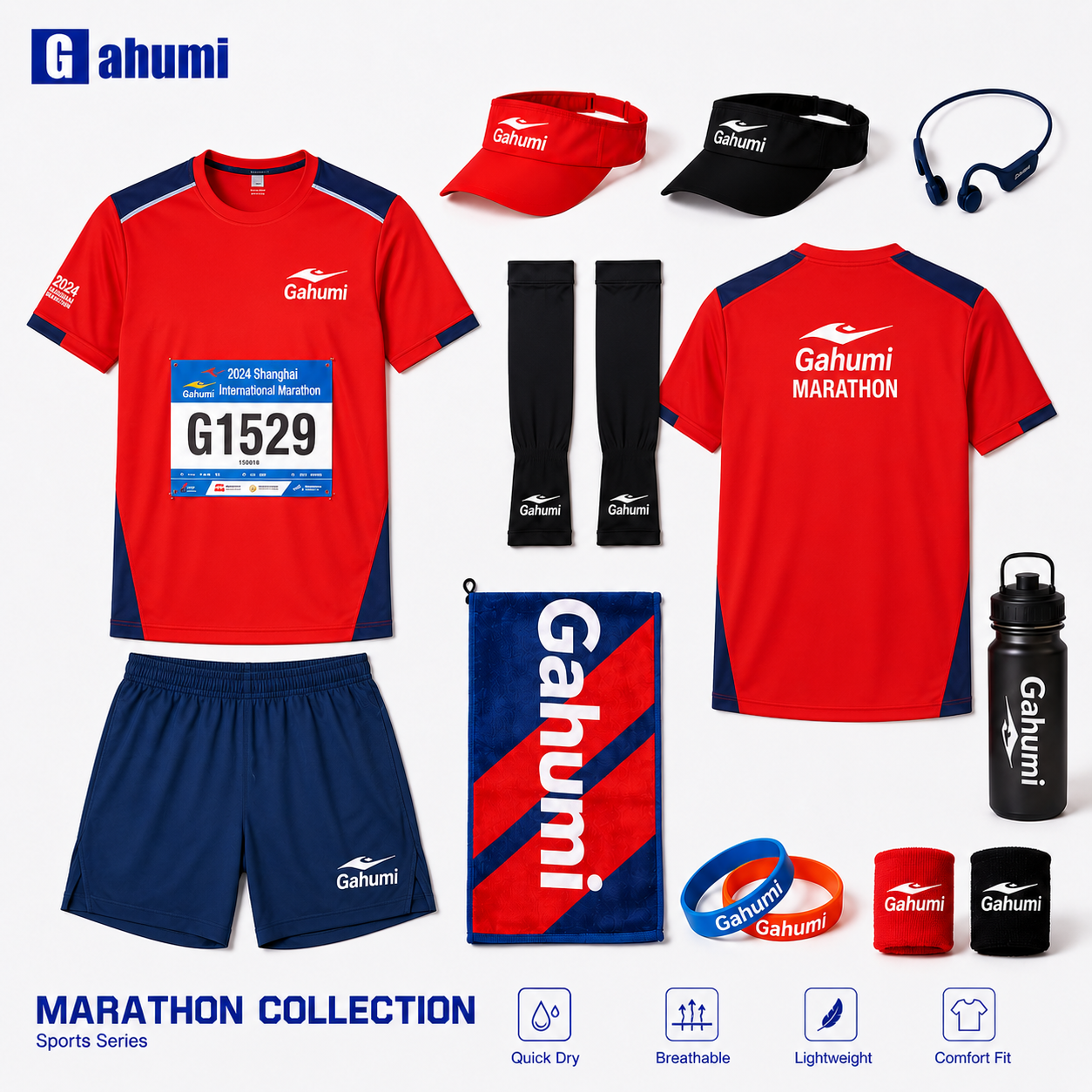
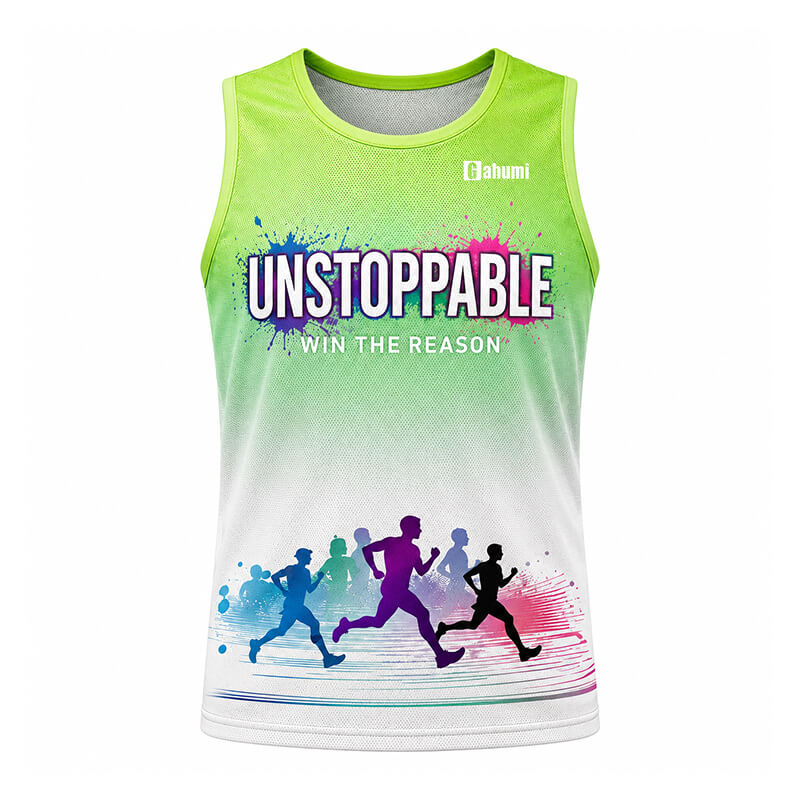
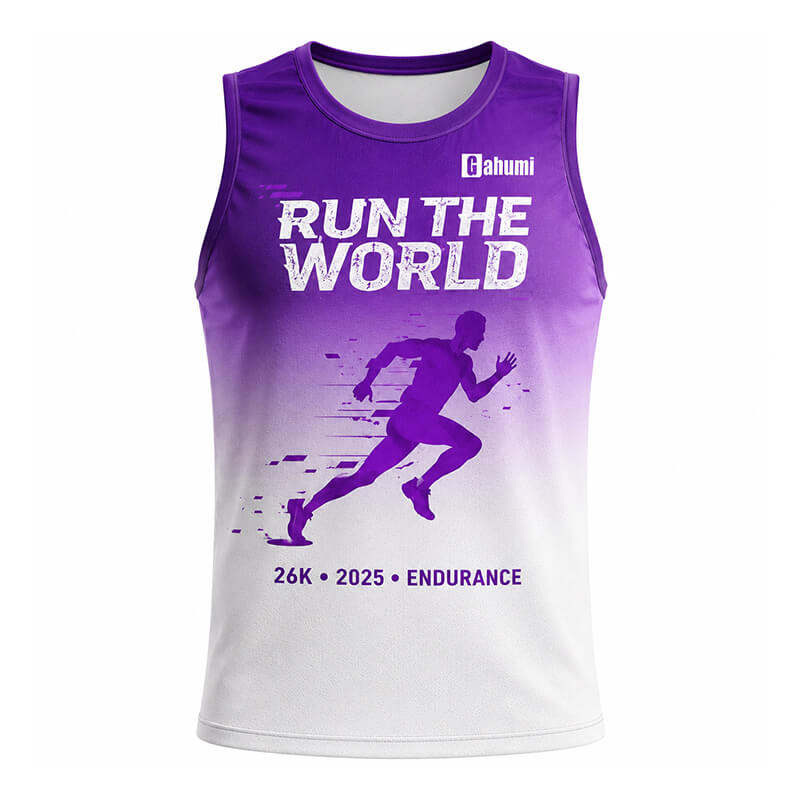
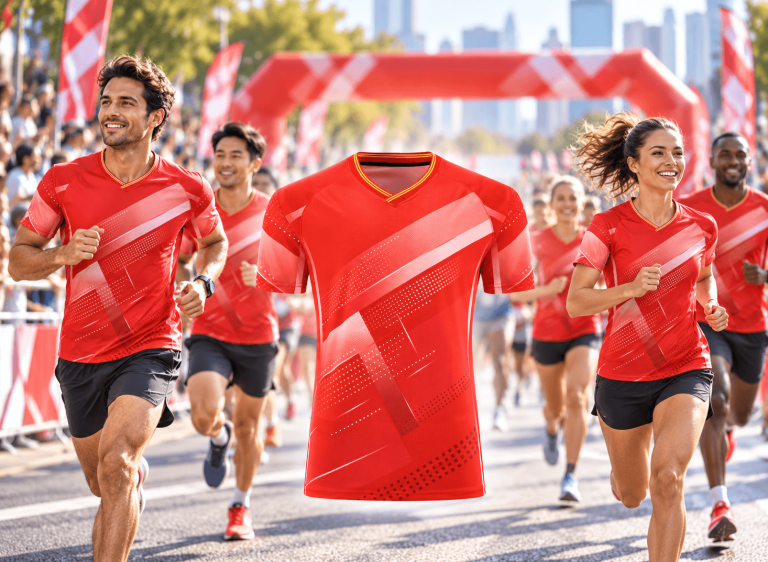
Baseball & Marathon Jerseys: Best for active teams, sports clubs, outdoor events, and high-performance marathon jerseys.
3. Overlooking Sizing and Fit Consistency
A sample garment may fit well, but sizing can vary across a large workforce if parameters are not strictly defined. Nominal sizes also differ significantly between manufacturers.
Before finalizing a bulk order, establish a clear size chart and confirm:
-
The required size range and quantity breakdown per size.
-
Exact chest, body length, and sleeve measurements.
-
Fit specifications for men, women, or unisex sizing.
-
Approved size charts for each selected garment style.
4. Selecting an Incompatible Logo Decoration Method
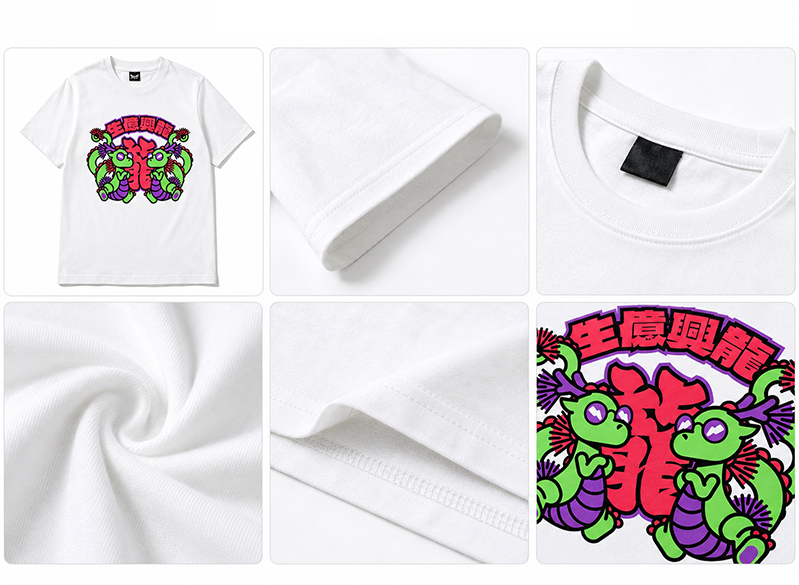
Embroidery and printing produce different visual and functional results. Choosing a method based solely on initial cost or appearance can affect garment comfort and long-term durability.
| Decoration Method | Suitable Applications |
| Embroidery | Company logos, chest emblems, and small structured designs |
| Screen Printing | Bold logos, text, and graphics for high-volume bulk orders |
| Sublimation Printing | Full-color graphics on performance polyester fabrics |
| Heat Transfer | Individual names, numbers, and detailed artwork |
5. Leaving Logo Placement and Colors Until the Last Minute
A logo can look different depending on its scale, placement position, and the base color of the garment. Minor adjustments also affect visual consistency across multi-item uniform programs (such as matching T-shirts, polo shirts, and hoodies).
Confirm artwork and placement details prior to mass production. Specify exact logo dimensions, print positions, garment colors, and required Pantone references. A pre-production sample or digital mockup helps both parties approve the design before bulk execution.
6. Ignoring Textile Labels, Care Instructions, and Regional Regulations
Workwear and commercial apparel must meet mandatory textile labeling requirements in their destination markets.
Before approving a custom uniform order with custom neck labels or wash tags, verify regional compliance standards:
-
United Kingdom: Follow official UK Government Textile Labelling Guidance regarding fiber composition and mandatory language requirements.
-
European Union: Comply with EU Regulation No 1007/2011 for official textile fiber names and multi-component labeling rules.
-
Australia: Review mandatory care labeling standards enforced under Product Safety Australia.
Note: Standard corporate uniforms must not be assumed to provide industrial protective functions unless certified under specific safety gear standards.
7. Underestimating Production and Delivery Timelines
Bulk apparel orders follow multiple sequential steps: specification sign-off, sampling, artwork approval, mass manufacturing, quality inspection, and international shipping.
Starting too late leaves little margin to correct a sample or clarify specifications, especially when uniforms must arrive before a company launch, team season, or scheduled event.
Key details to prepare before order confirmation:
-
Required total volume and size breakdown
-
Approved artwork files and decoration specifications
-
Target sample approval date and delivery deadline
-
Packaging and custom labeling requirements
Partner with Gahumi for Your Bulk Uniform Order
Choosing the right manufacturer comes down to fabric availability, decoration quality, and reliable delivery.
Gahumi provides end-to-end OEM and ODM apparel manufacturing for global businesses, brands, and event suppliers. Our custom teamwear capabilities cover T-shirts, polo shirts, hoodies, sweatshirts, sports gear, and marathon jerseys.
Ready to start? Contact Gahumi today with your order details and delivery timeline to receive custom mockups and a competitive quote.