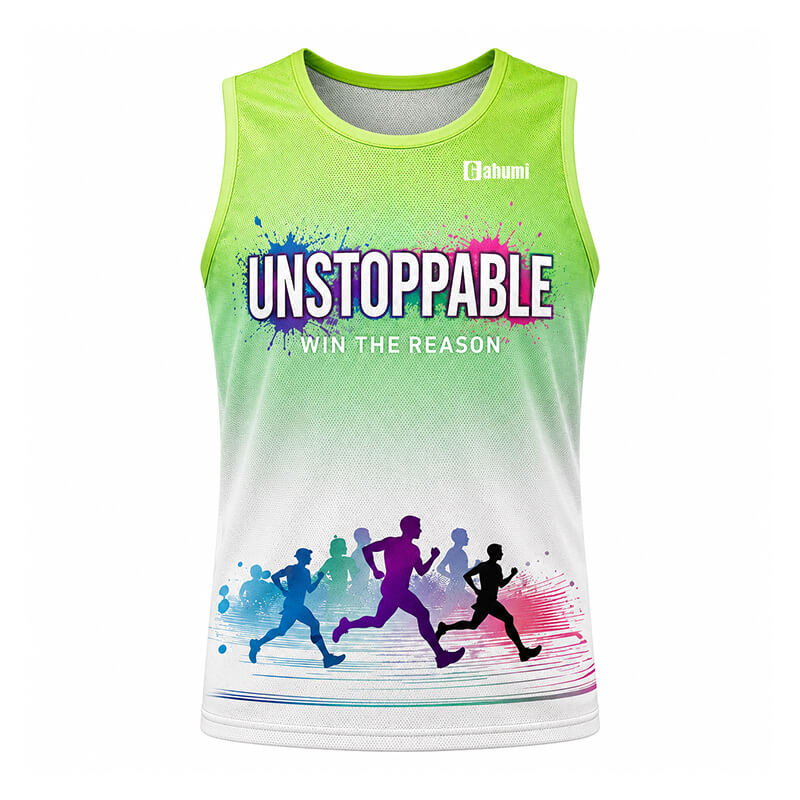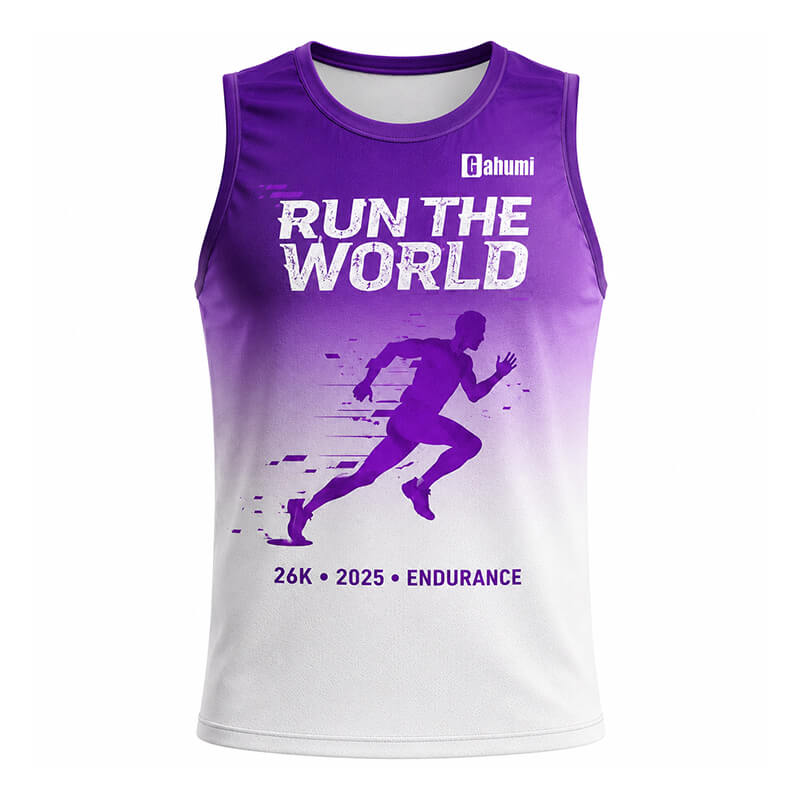
 Tshirt
 Custom Hoodie & Sweat
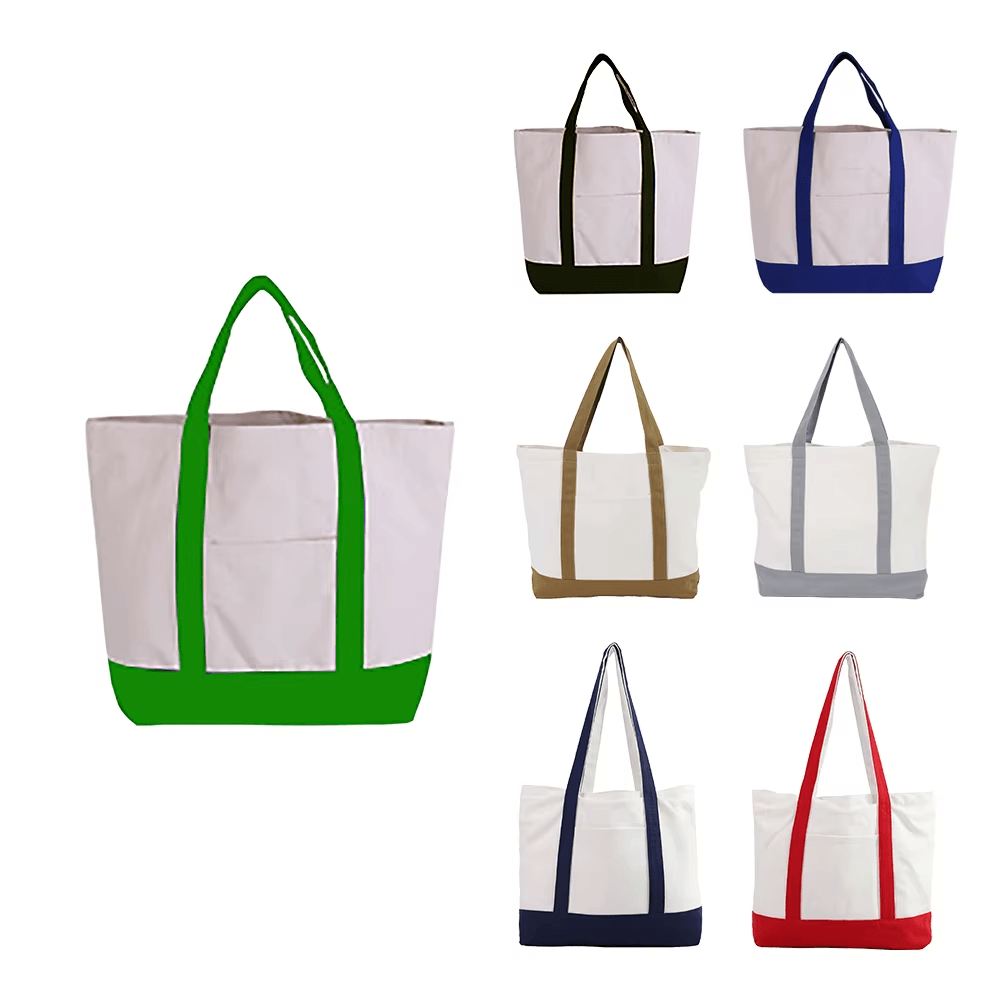
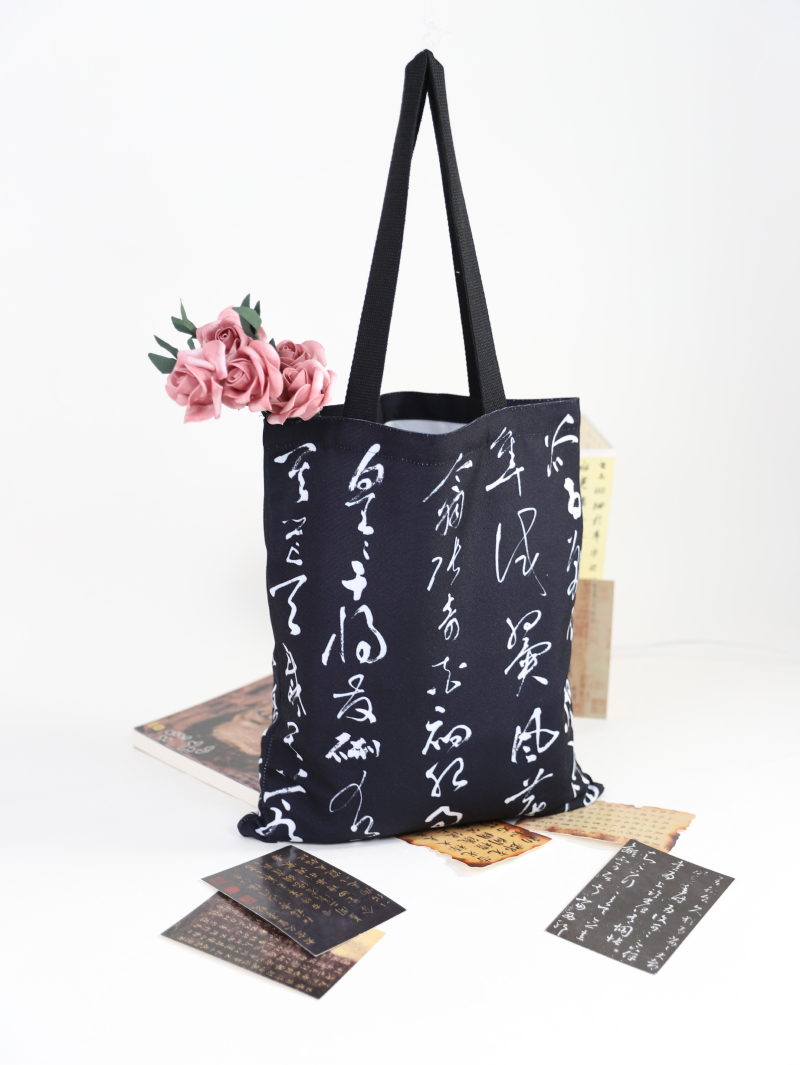
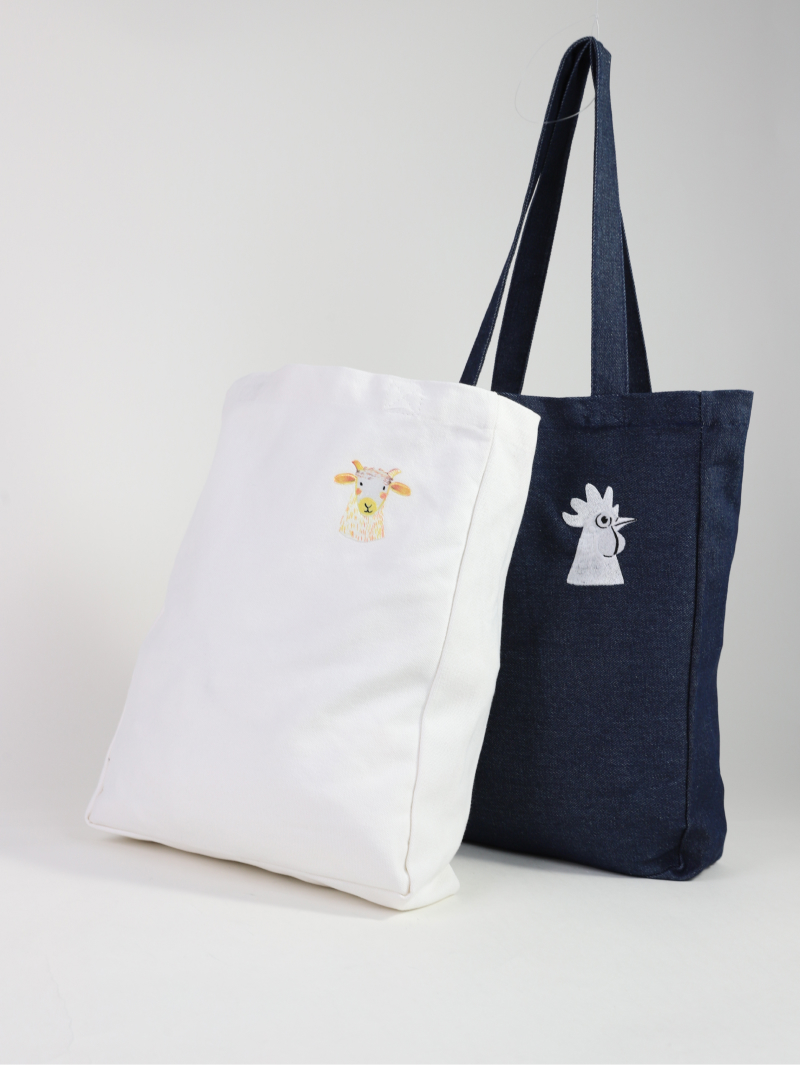
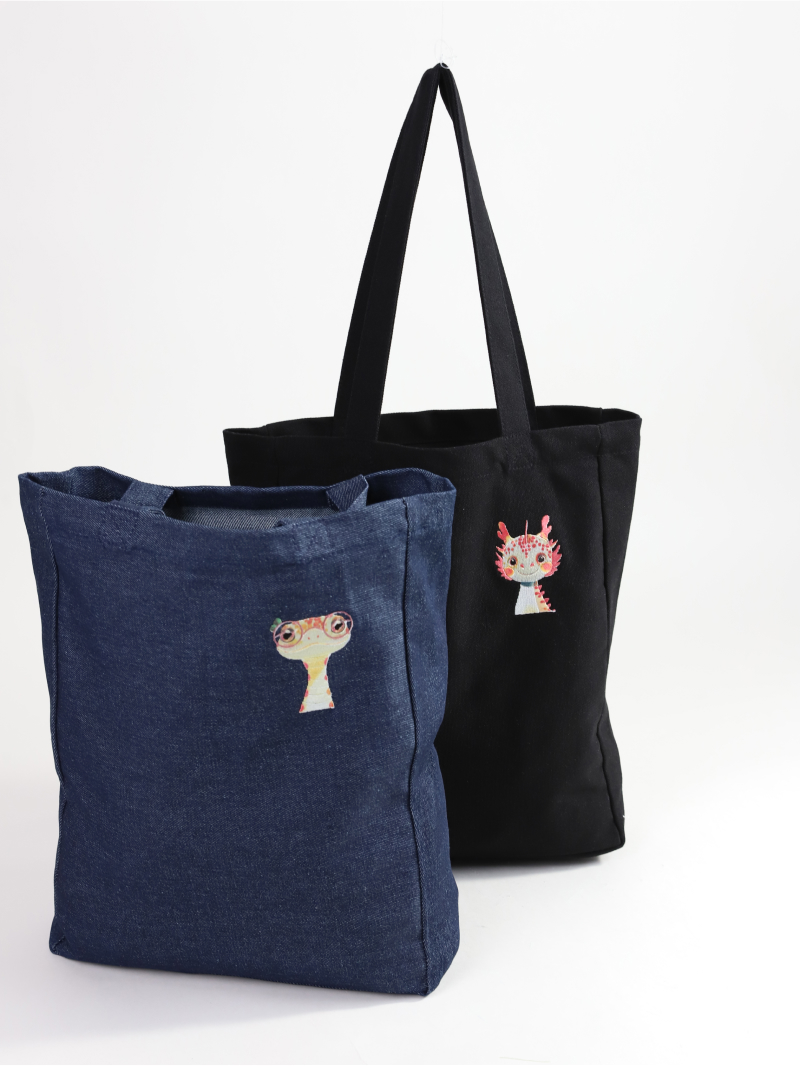
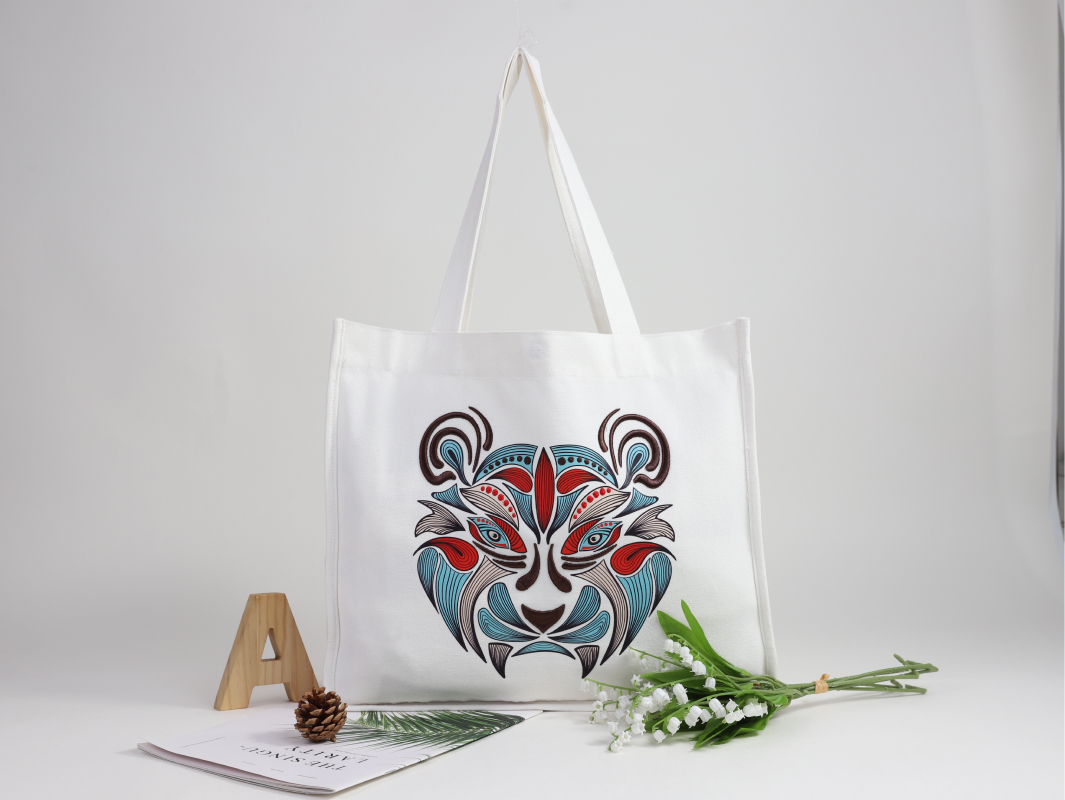
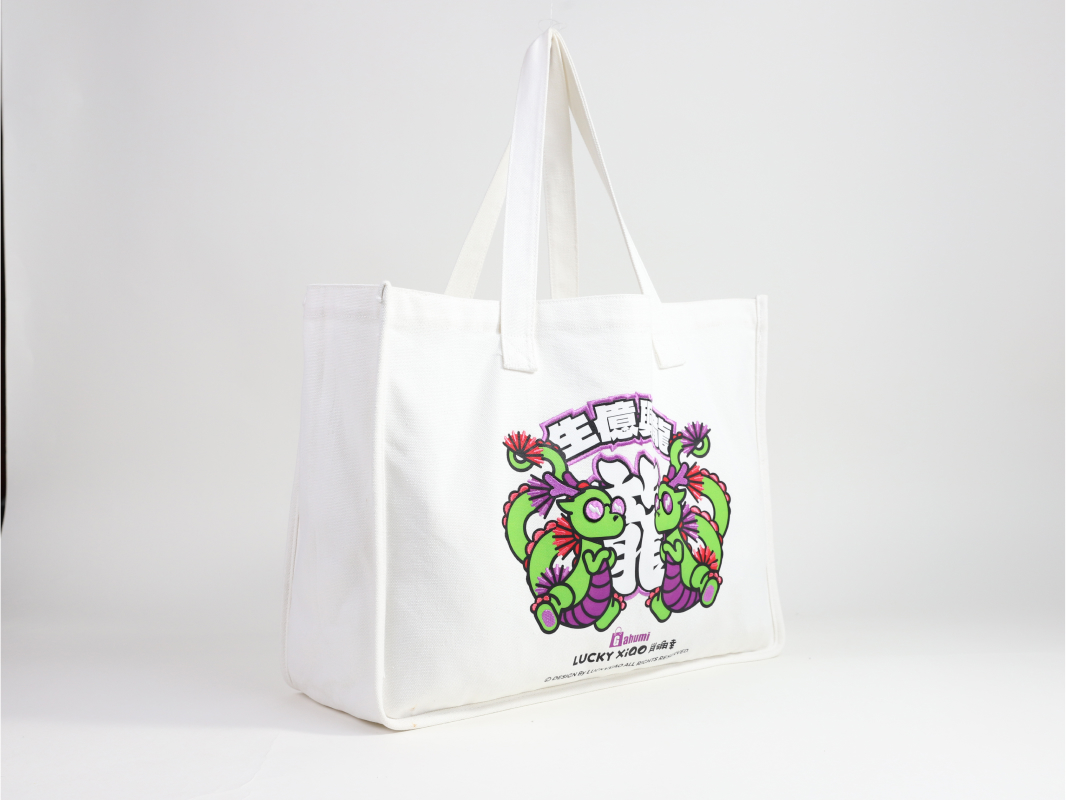
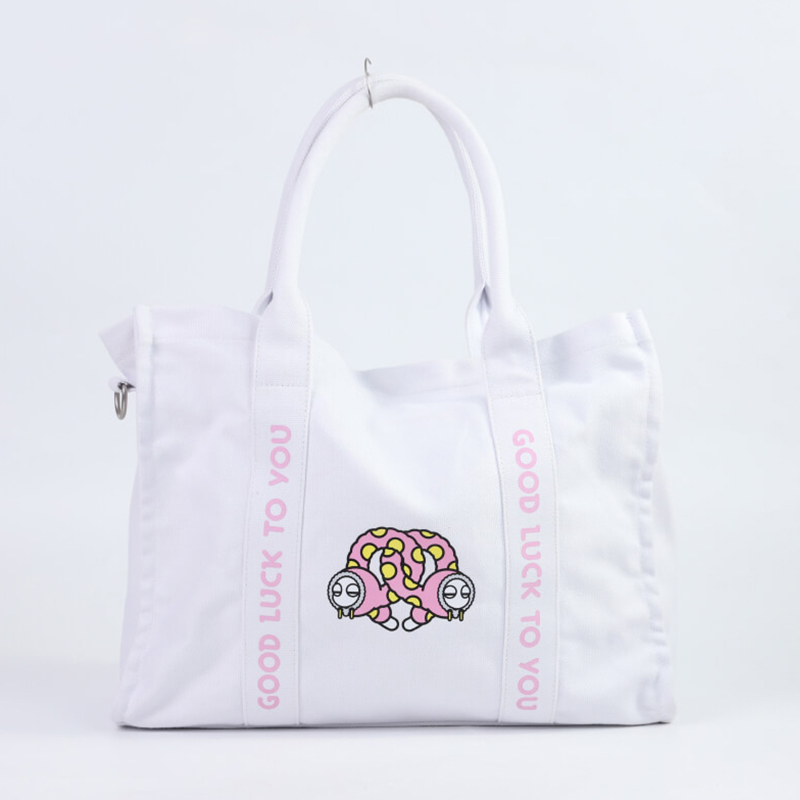
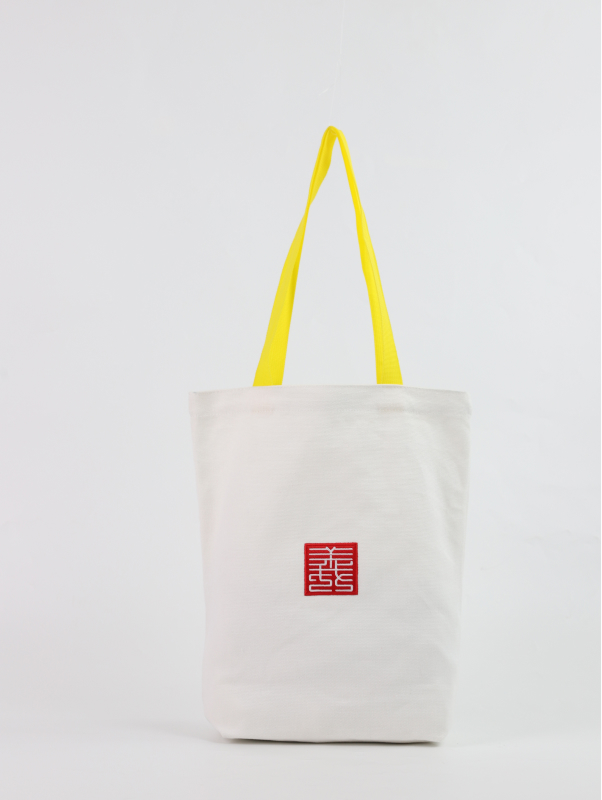
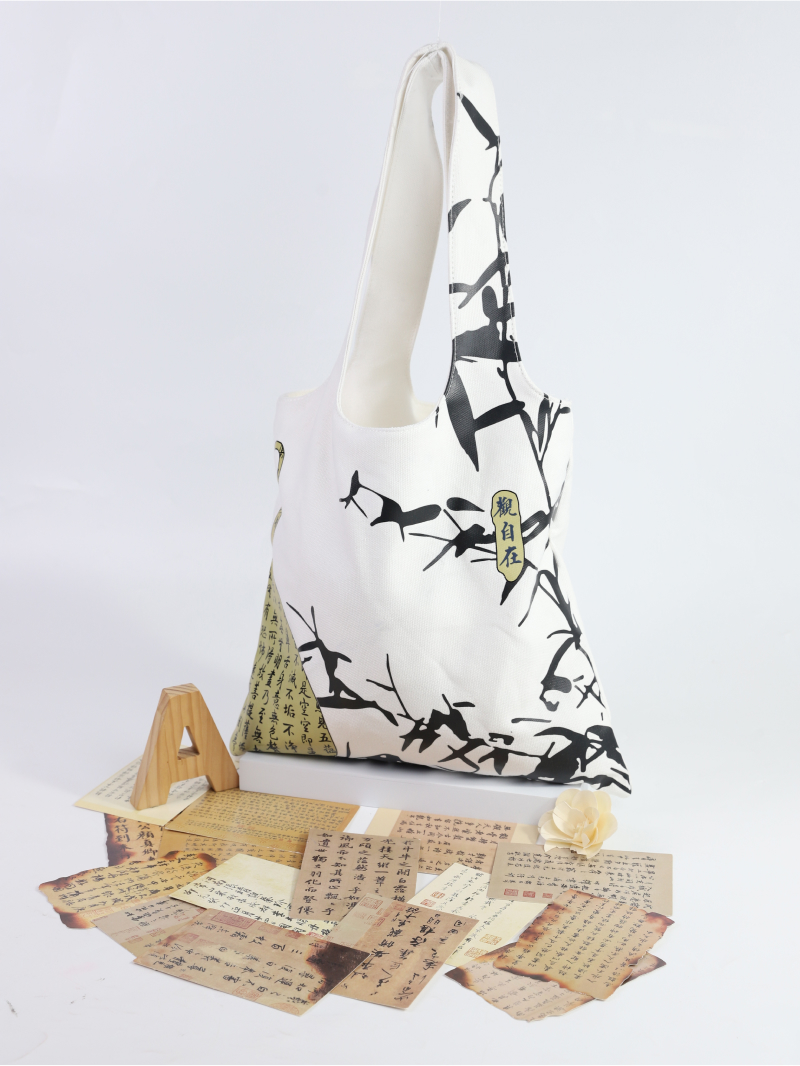
 Custom Bags
 Flag
Flag
 Towel
Towel
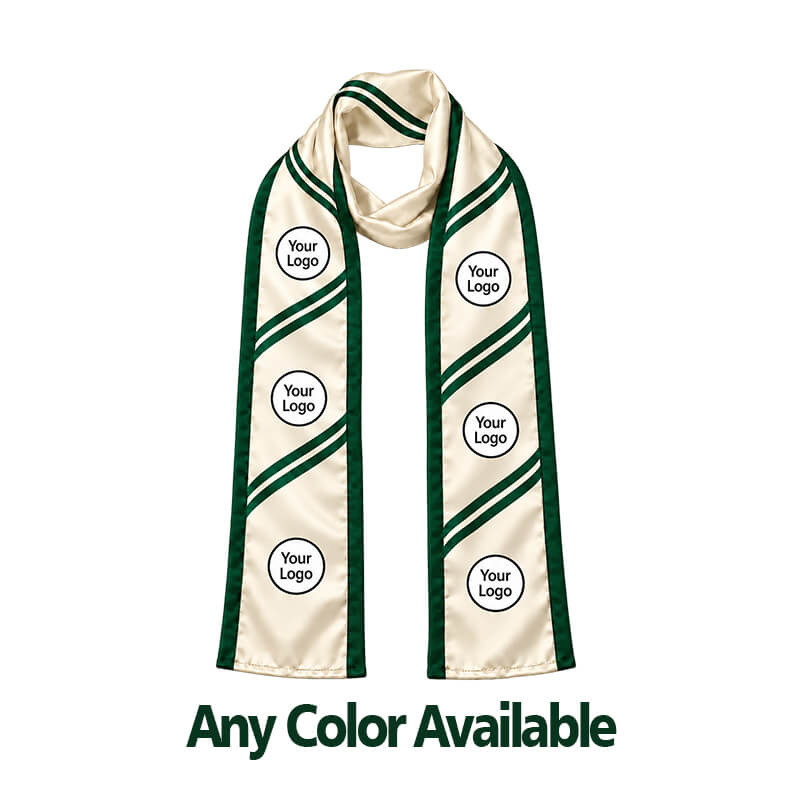
 Custom Scarf
 Cap
Cap

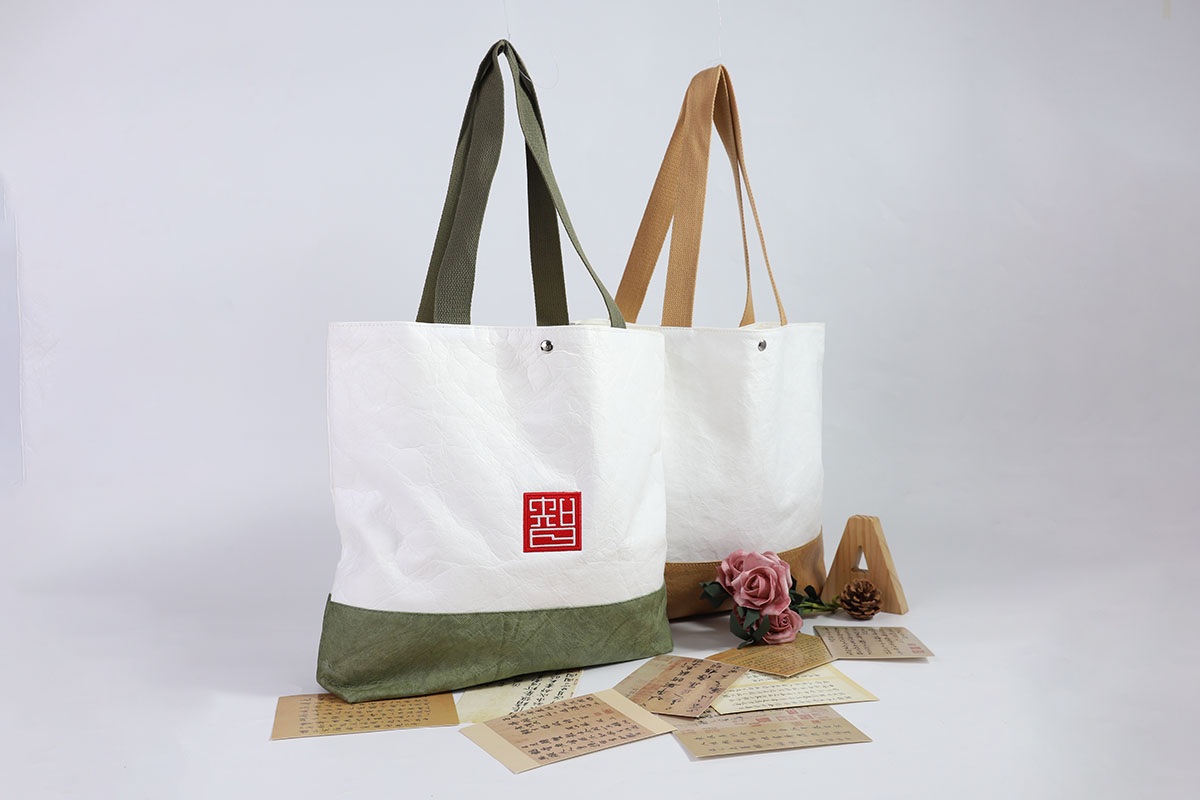
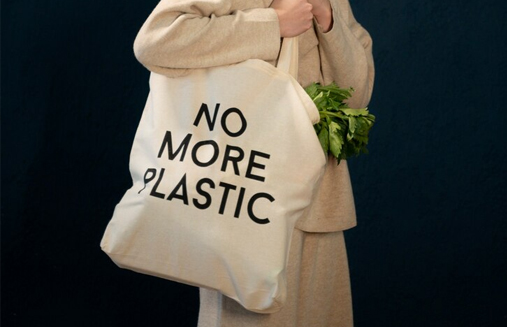
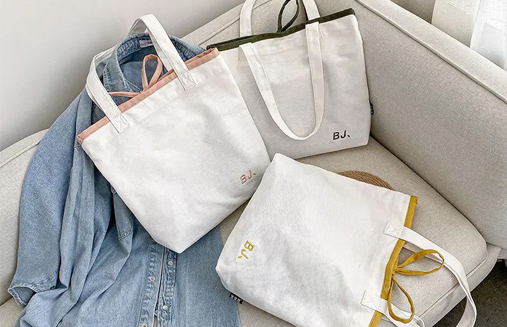
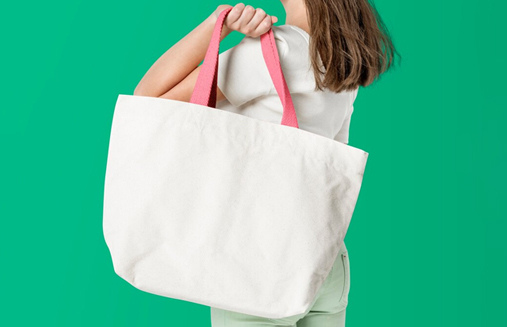
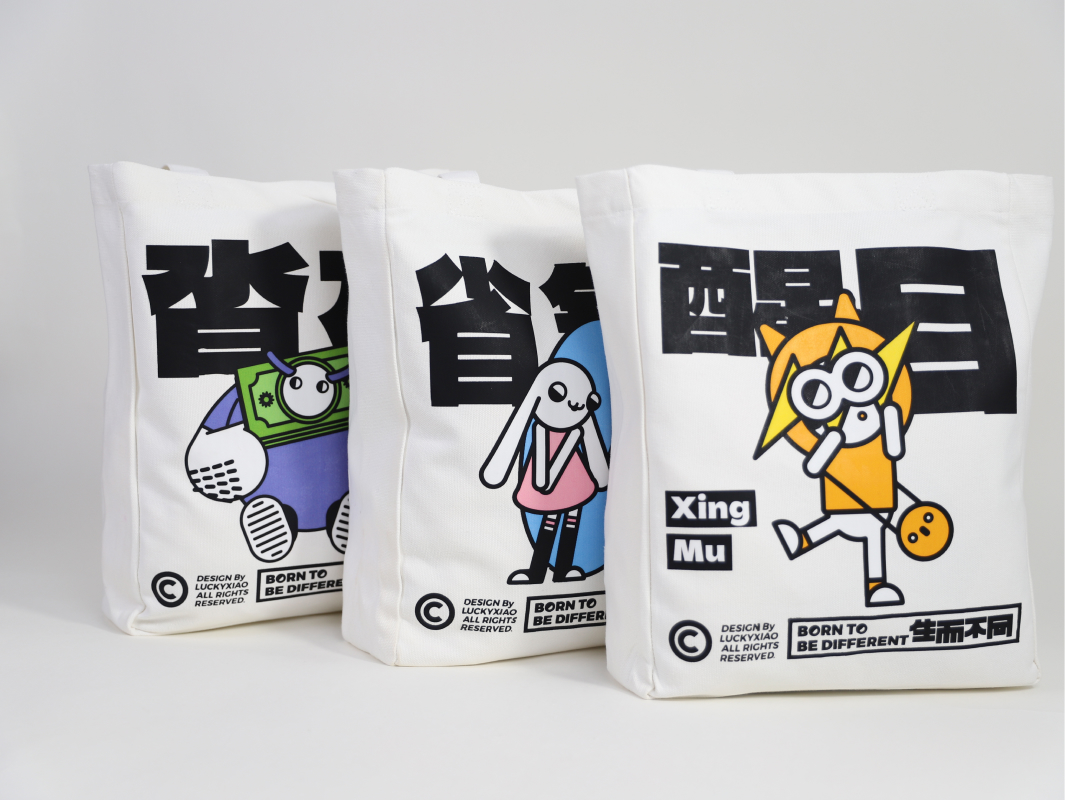
Custom tote bags have evolved from simple carryalls to powerful tools for personal style and brand identity—but their success hinges on one often-overlooked factor: material quality. A sleek design or bold logo means little if the bag tears after a few uses, fades in the sun, or fails to hold daily essentials. For consumers seeking durability and sustainability, and brands aiming to build trust, choosing high-quality materials isn’t an option—it’s a necessity. Below, we break down why material quality matters, which fabrics stand out, and how they elevate both personal and promotional custom tote bags.
1. Quality Materials Define Durability & Longevity
The primary purpose of a tote bag is to carry items reliably—and that starts with the fabric. Cheap, thin materials (like lightweight non-woven polyester or flimsy cotton) stretch, fray, or tear after just 10–15 uses, turning a “reusable” bag into a one-time novelty. High-quality materials, by contrast, are built to last:
- Canvas (12–20oz): A tightly woven cotton blend, canvas resists wear and tear even with heavy use. A 16oz canvas tote can hold 10–15lbs (think a laptop, books, and groceries) without sagging, and retains its shape for 2–3 years with proper care.
- Organic Cotton (8–12oz): Soft yet sturdy, organic cotton (GOTS-certified) avoids the weak fibers of conventional cotton. It’s machine-washable, fades minimally, and handles daily use (commuting, shopping) for 18+ months.
- Jute: A natural fiber with a rough, textured finish, jute is incredibly durable—ideal for heavy loads like farmers’ market produce or beach gear. It resists mildew and holds up in wet or dry conditions, lasting 2+ years.
A 2024 consumer survey found that tote bags made from high-quality materials are used 3x more frequently than cheap alternatives, with 76% of respondents saying they “kept and reused” canvas or jute totes, vs. 22% for low-grade polyester.
2. User Experience: Comfort & Functionality Start with Fabric
Quality materials don’t just last—they make the tote bag pleasant to use. Think about it: a scratchy, thin tote digs into your shoulder when loaded, while a stiff, unyielding fabric is hard to fold or store. High-quality materials solve these pain points:
- Breathability: Organic cotton and canvas allow air flow, preventing sweat buildup when carrying the bag against your body (critical for summer commutes or outdoor events).
- Flexibility: Well-woven fabrics bend without creasing, making the tote easy to fold into a purse or backpack for on-the-go use.
- Weather Resistance: Treated canvas or recycled polyester (made from plastic bottles) repels light rain and spills, protecting contents like laptops or paperwork.
For example, a teacher using a 14oz canvas tote to carry lesson plans and supplies will appreciate its soft yet structured feel—no shoulder strain, even on long school days. A beachgoer with a jute tote will love that sand brushes off easily, and the fabric doesn’t absorb water like cheap cotton.
3. Sustainability: High-Quality Materials = Eco-Friendly Choices
Today’s consumers don’t just want durable tote bags—they want sustainable ones. Cheap materials often rely on synthetic fibers (like non-recyclable polyester) or chemically treated cotton, which harm the planet. High-quality materials, by contrast, align with eco-conscious values:
- Organic Cotton: Grown without synthetic pesticides or fertilizers, it uses 91% less water than conventional cotton, per the Organic Trade Association.
- Recycled Polyester: Made from post-consumer plastic bottles, this fabric diverts waste from landfills and reduces reliance on virgin plastics.
- Jute: A fast-growing, renewable crop that requires no irrigation or harmful chemicals, jute is 100% biodegradable.
Brands that prioritize these materials don’t just appeal to eco-focused customers—they back up their “sustainable” claims with tangible action. A café using recycled polyester tote bags for takeout orders, for instance, can market the bags as “each one reuses 5 plastic bottles”—a story customers remember and share.
4. Top 4 High-Quality Materials for Custom Tote Bags
Not all quality materials are the same—each serves different needs. Here’s how to choose:
|
Material |
Key Traits |
Best For |
|
16oz Canvas |
Sturdy, shape-retaining, print-friendly |
Branded promo bags, work commutes |
|
Organic Cotton |
Soft, breathable, eco-friendly |
Daily shopping, casual outings |
|
Jute |
Durable, mildew-resistant, rustic aesthetic |
Farmers’ markets, beach trips |
|
Recycled Polyester |
Water-resistant, lightweight, low-waste |
Gym bags, rainy-day use, outdoor events |
For example, a corporate brand might choose 16oz canvas for promotional totes (it holds logos well and feels premium), while a zero-waste store would opt for organic cotton or jute to align with its values.
5. For Brands: Quality Materials Boost Trust & ROI
For businesses using custom tote bags as promo tools, material quality directly impacts brand perception and return on investment (ROI):
- Trust Building: A flimsy tote bag sends the message, “We cut corners”—but a durable canvas or jute tote says, “We value quality, just like we value you.” A 2025 study found that 68% of consumers associate high-quality promo bags with “reliable, trustworthy brands.”
- Long-Term Exposure: A quality tote bag is used for months (or years), turning the recipient into a walking advertiser. A restaurant that gives 500 canvas totes to loyal customers might see those bags in grocery stores, parks, or offices for 2+ years—generating thousands of free impressions.
- Cost-Effectiveness: While high-quality materials cost more upfront ($3–$5 per canvas tote vs. $1–$2 for cheap polyester), their longevity means no repeat orders. Over 2 years, a brand spends $300 on 100 canvas totes, vs. $600 on 300 low-grade totes that need replacing.
6. How to Verify Material Quality Before Buying
Don’t take a supplier’s word for it—use these checks to ensure you’re getting high-quality materials:
- Check Fabric Weight: Canvas should be 12oz+ (the higher the oz, the thicker the fabric); organic cotton should be 8oz+ to avoid thinness.
- Test Weave Density: Hold the fabric up to light—minimal light should pass through (a loose weave means weak fibers).
- Request Samples: Reputable suppliers (like ToteBagFactory) offer free samples—test the fabric’s feel, stretch, and print absorption before placing a bulk order.
- Look for Certifications: For eco-friendly materials, ask for GOTS (organic cotton) or OEKO-TEX (chemical-free) certifications to confirm sustainability claims.