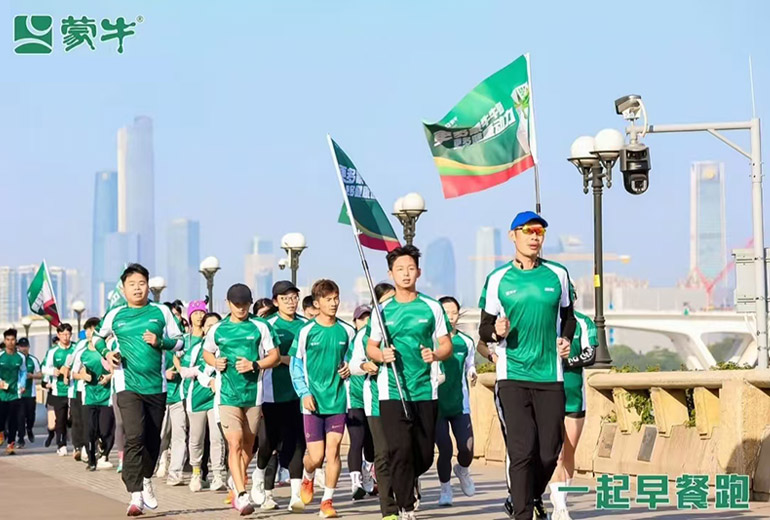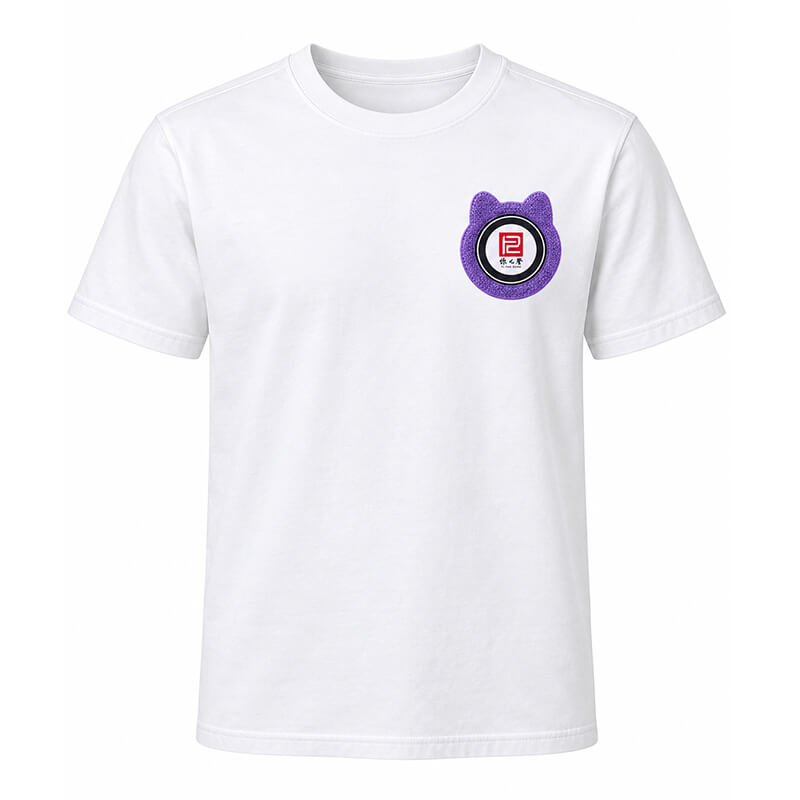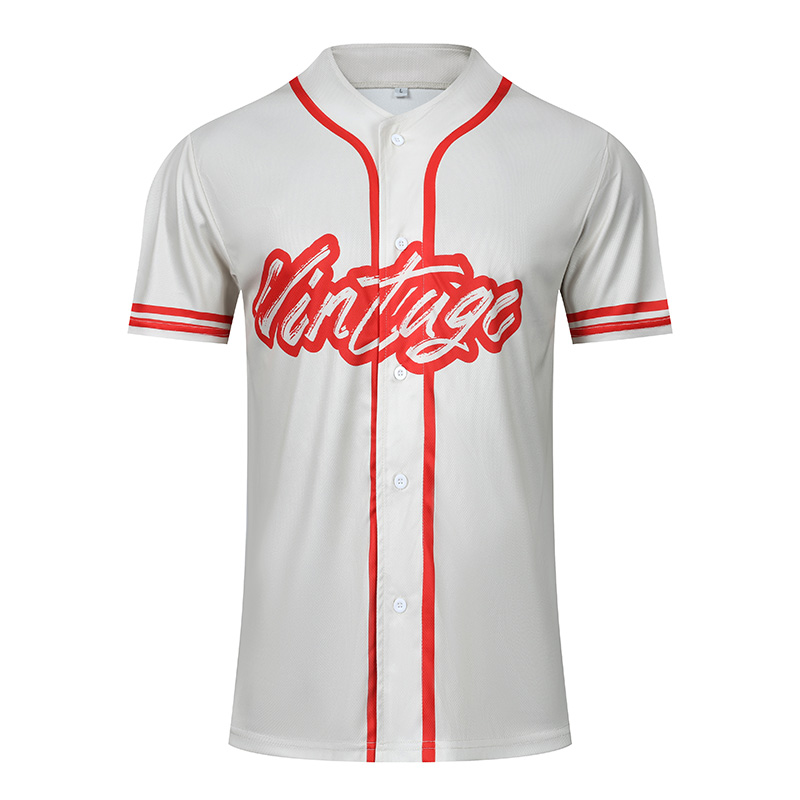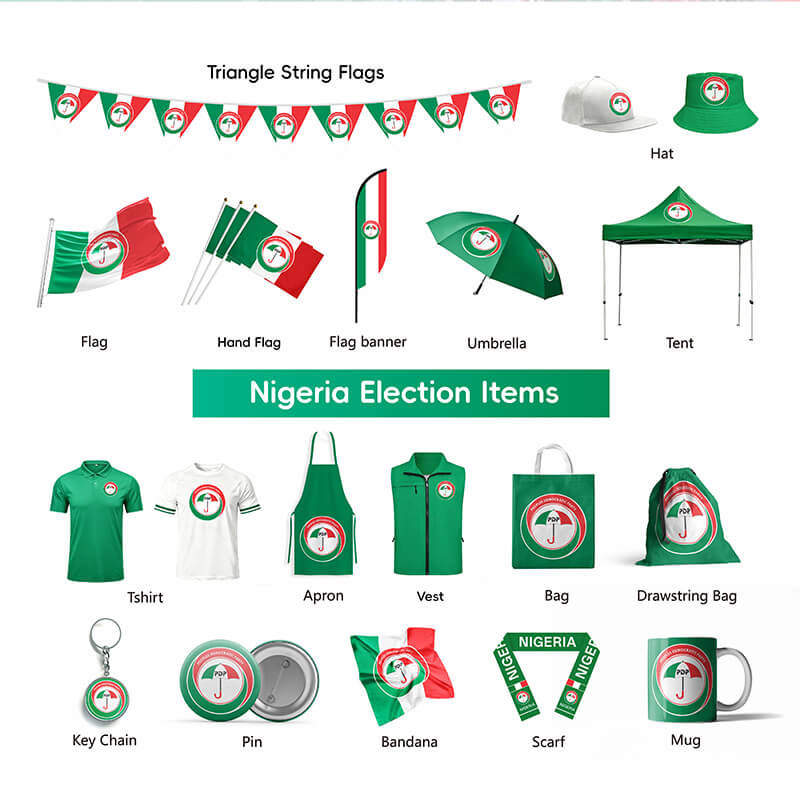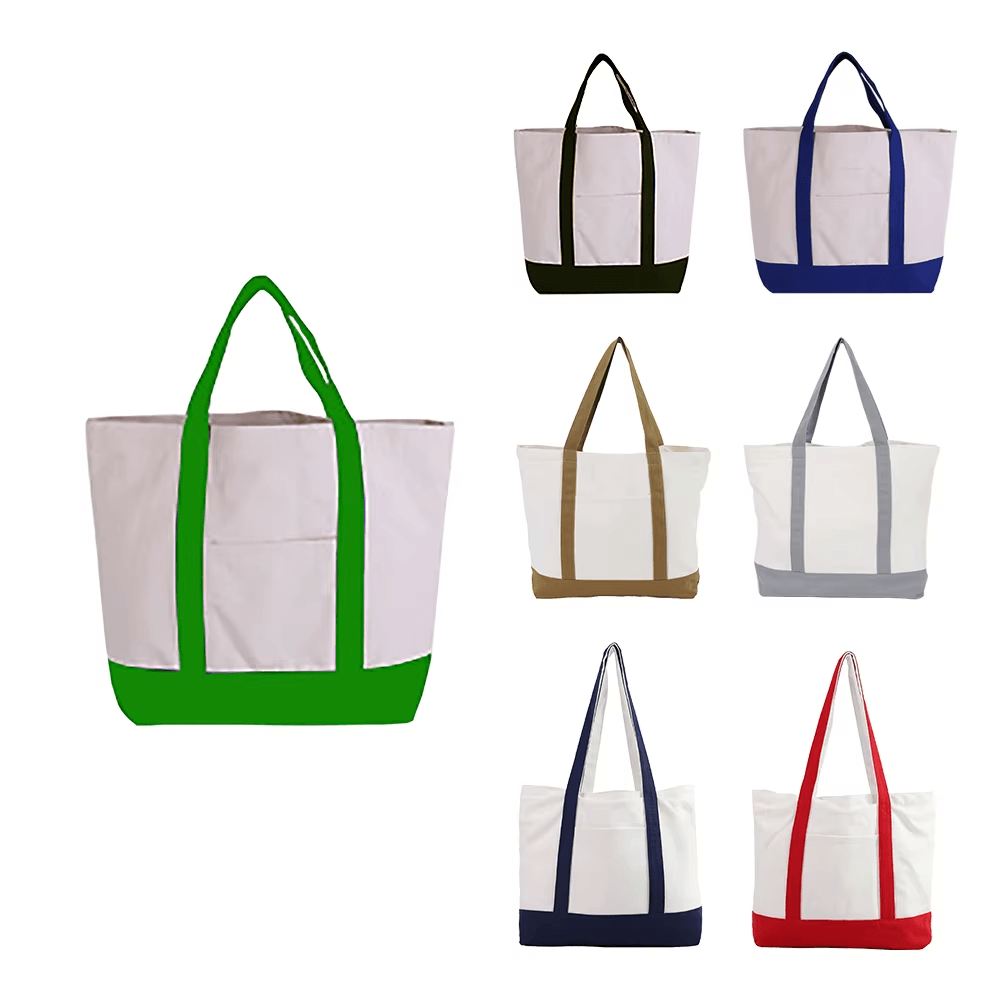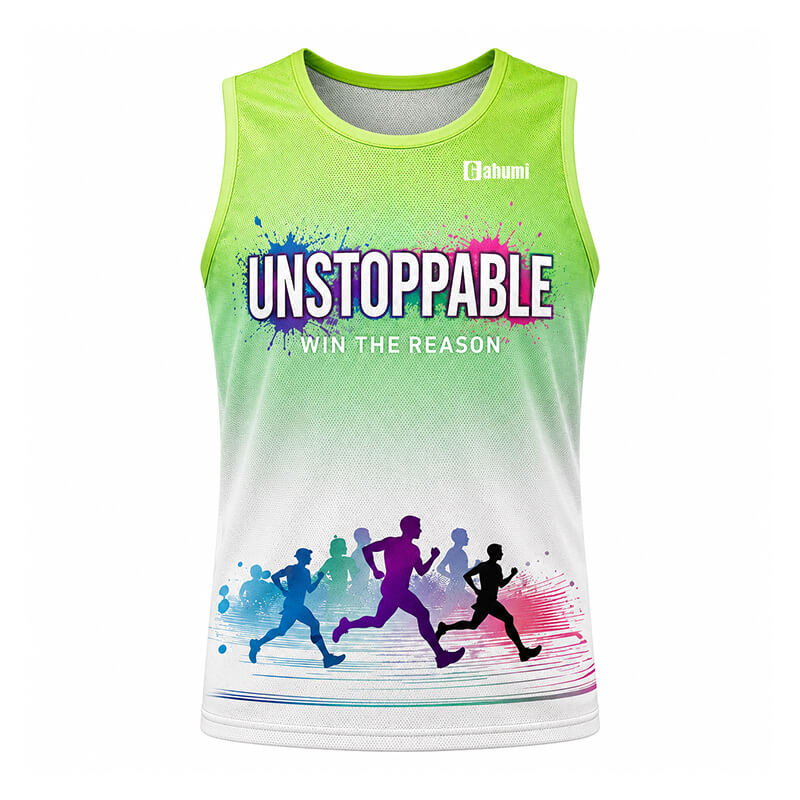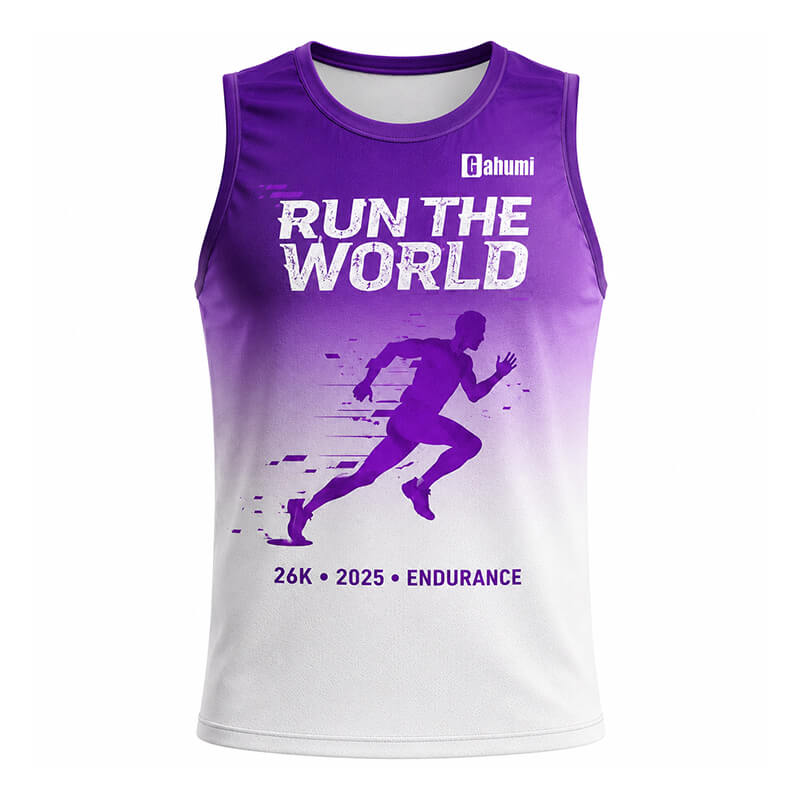
 Tshirt
 Custom Hoodie & Sweat
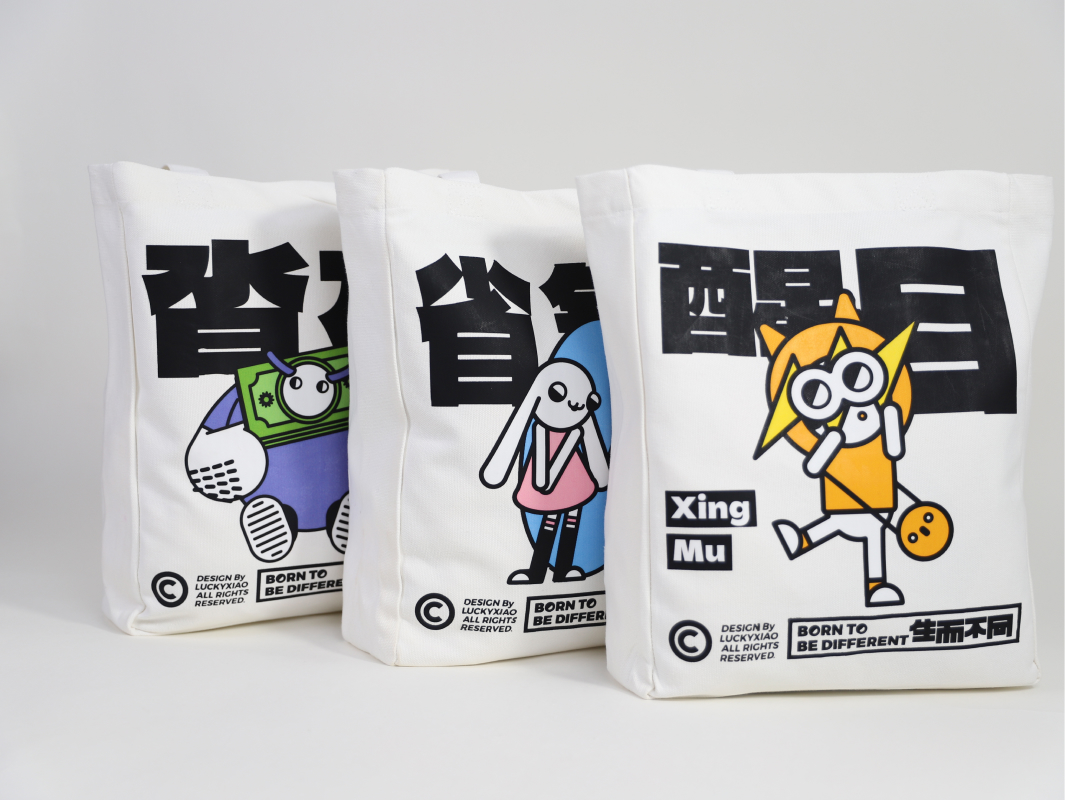
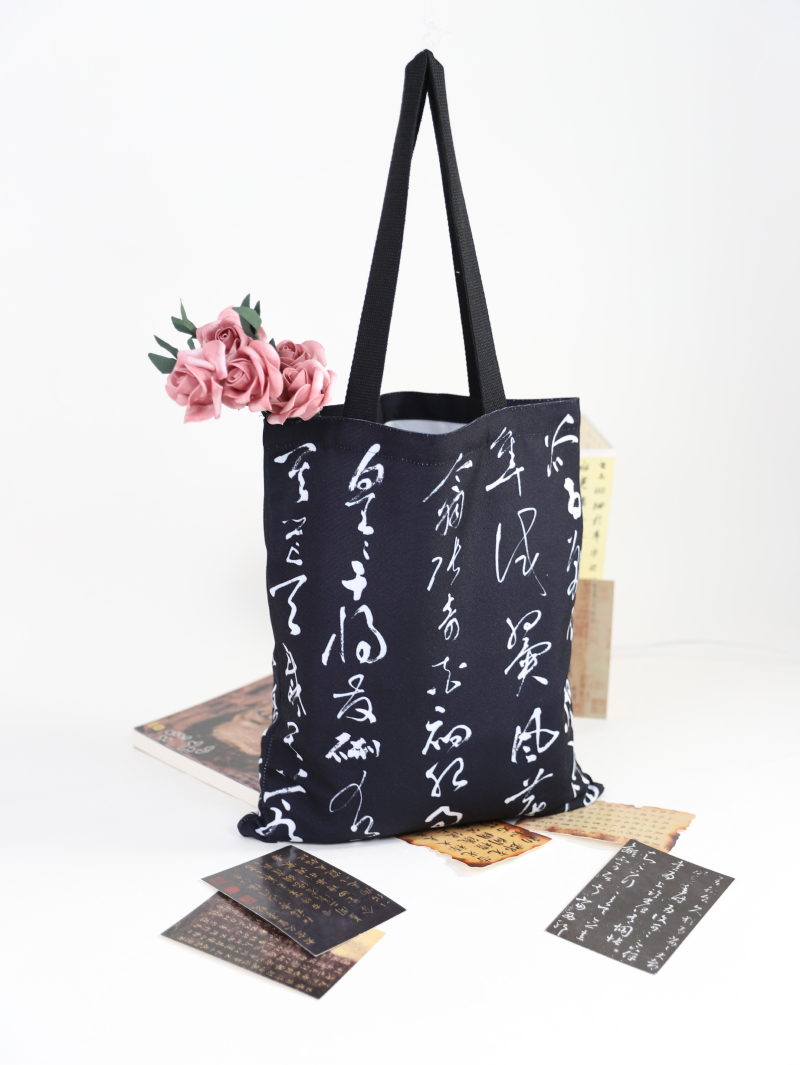
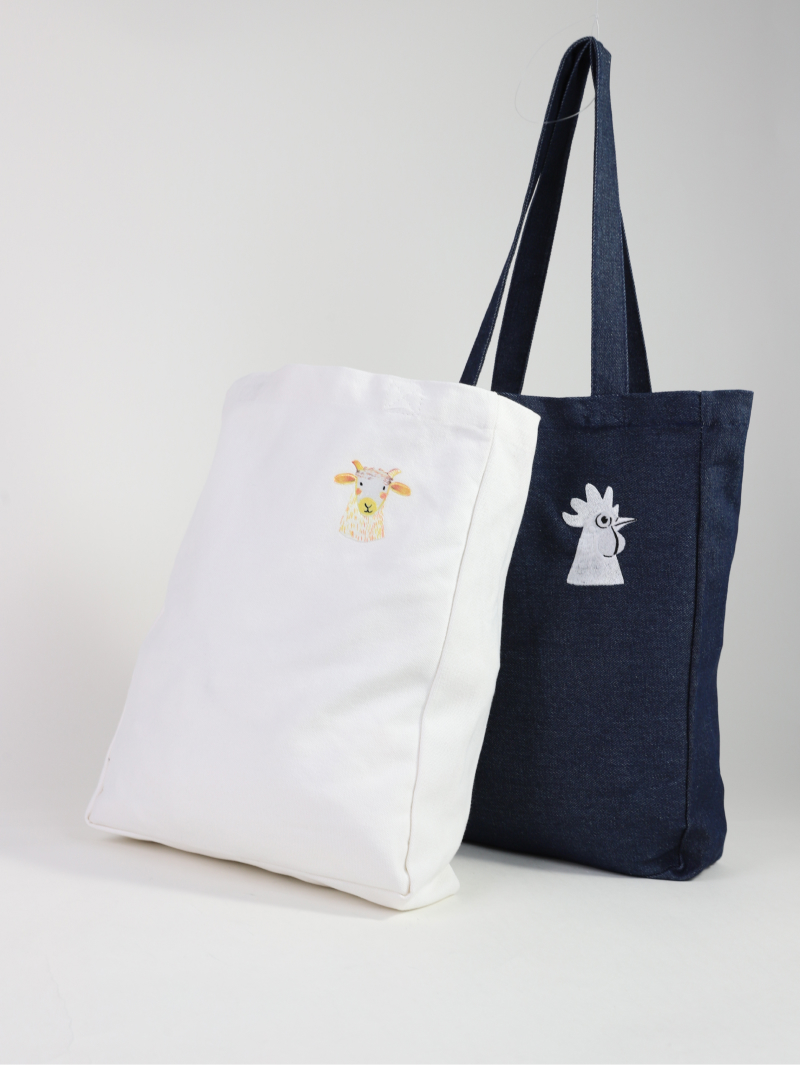
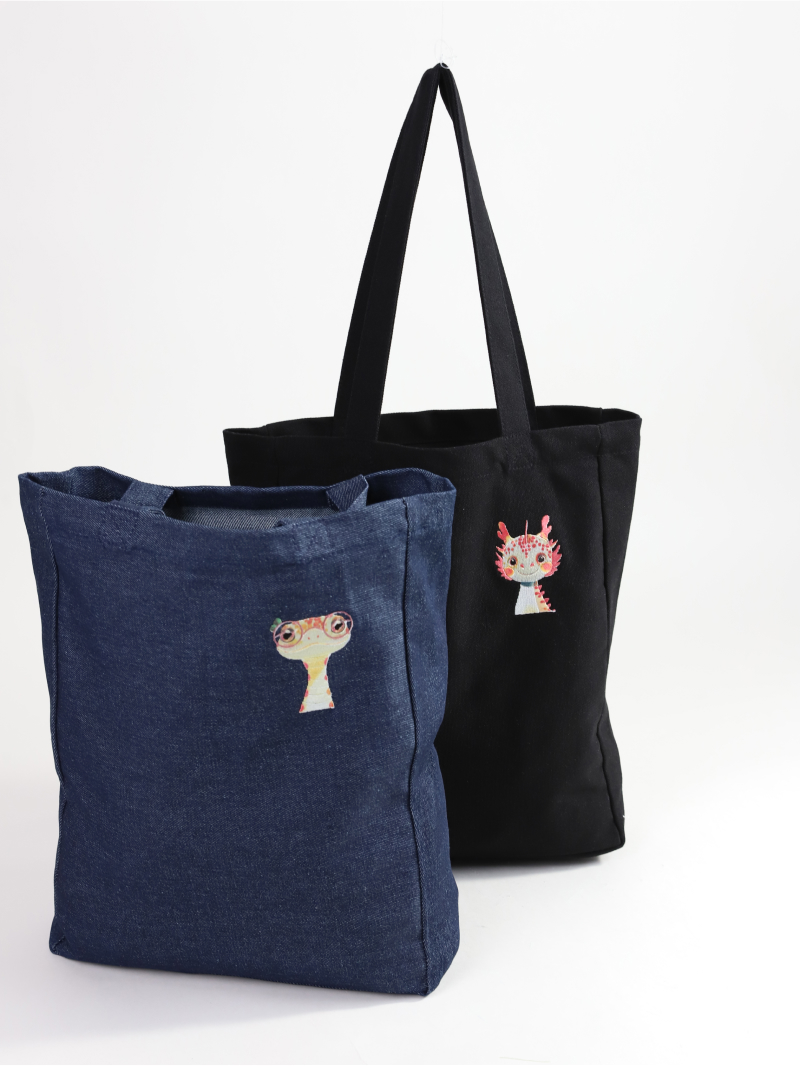
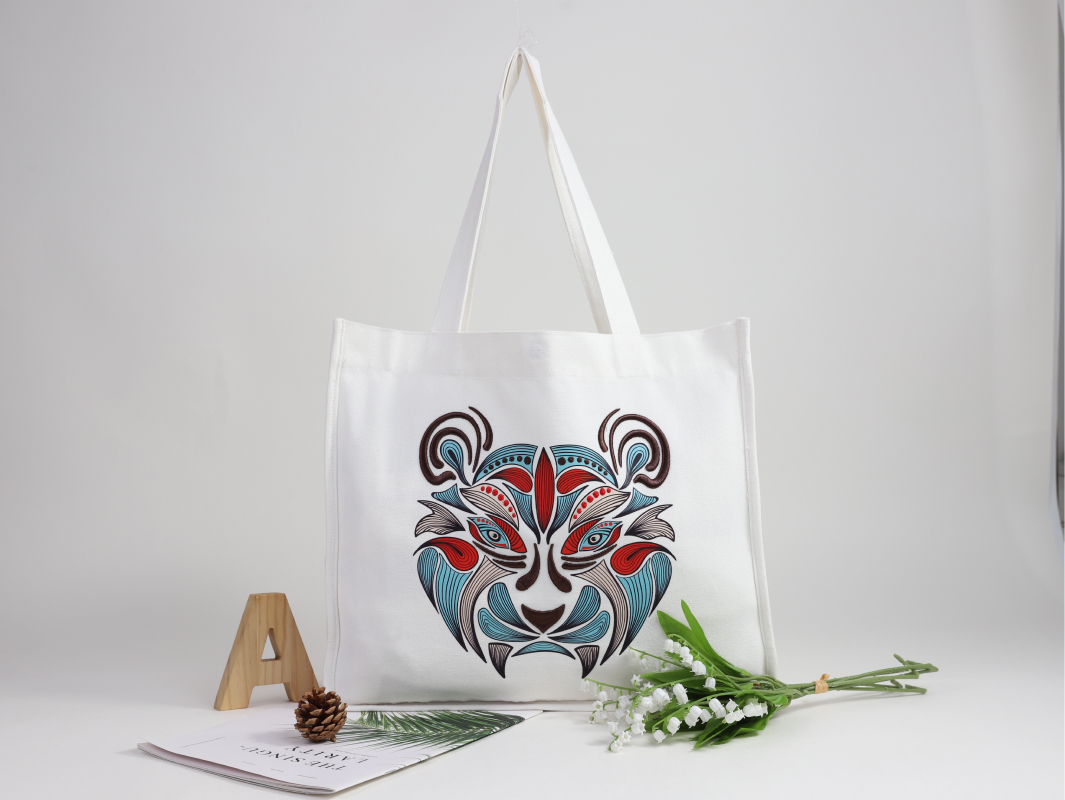
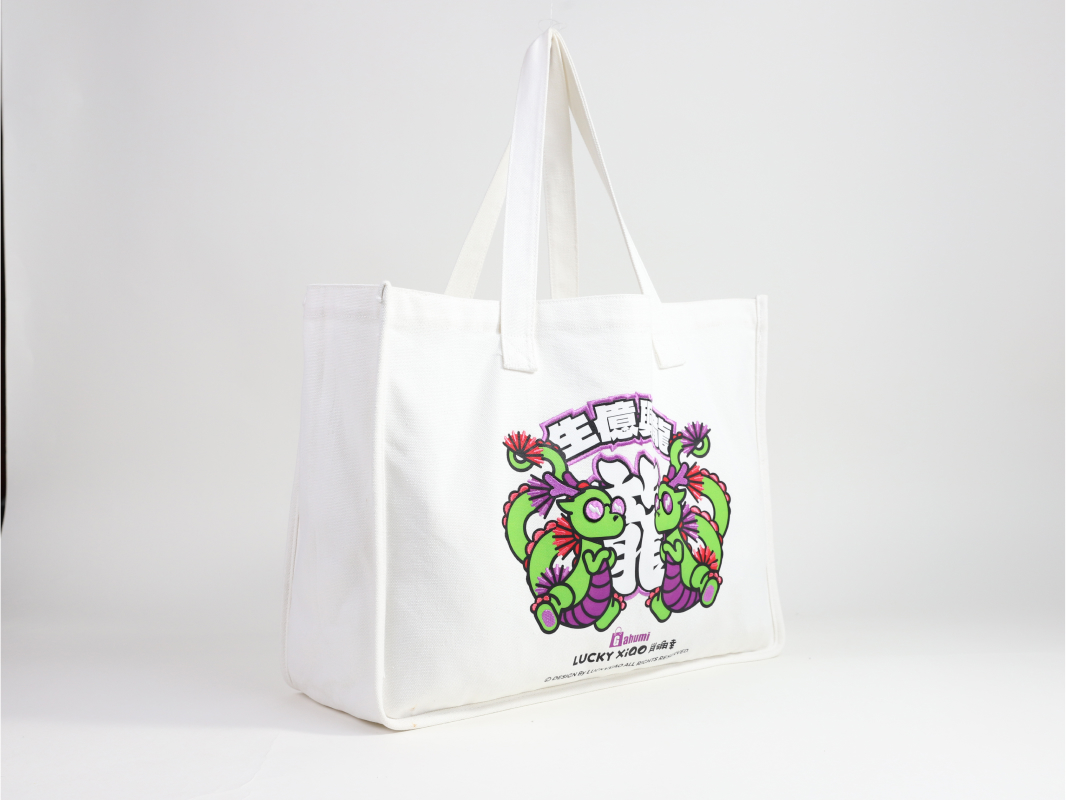
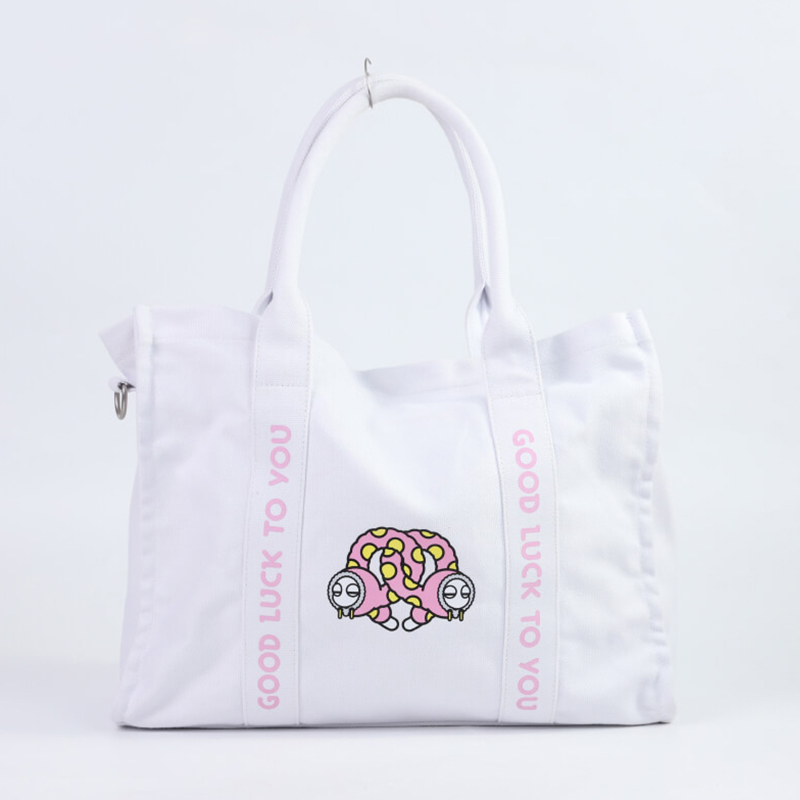
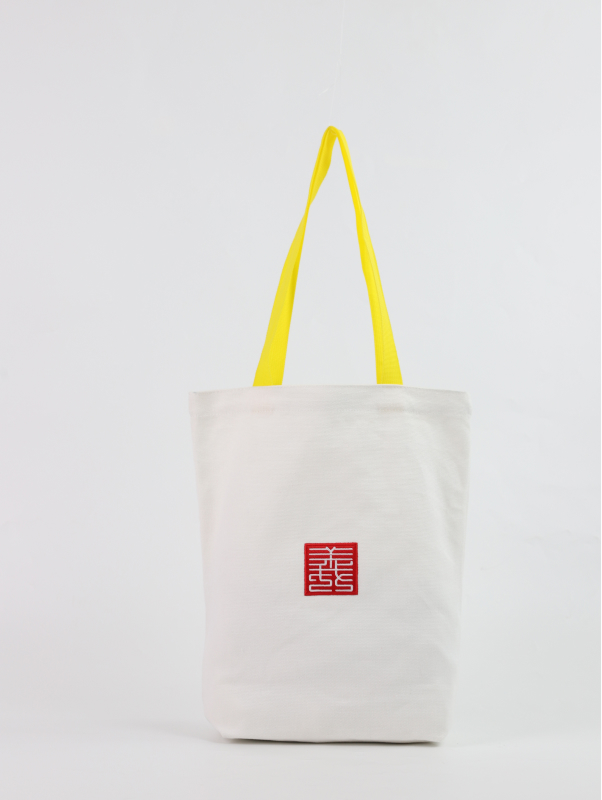
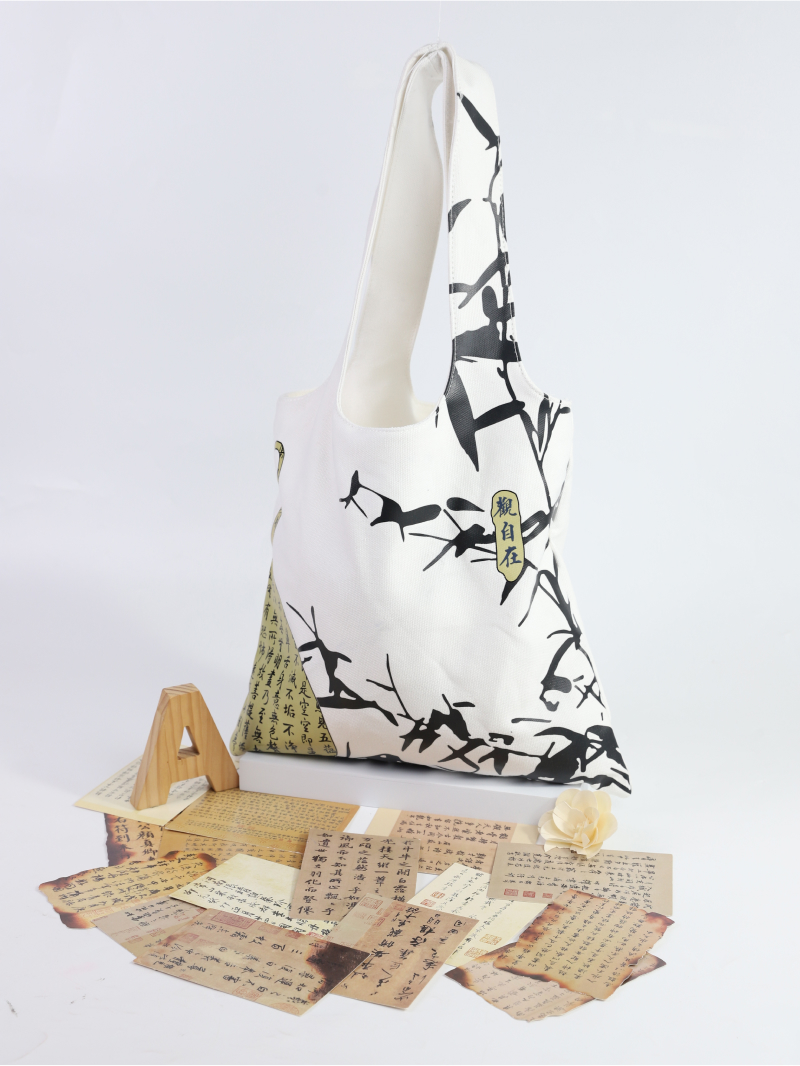
 Custom Bags
 Flag
Flag
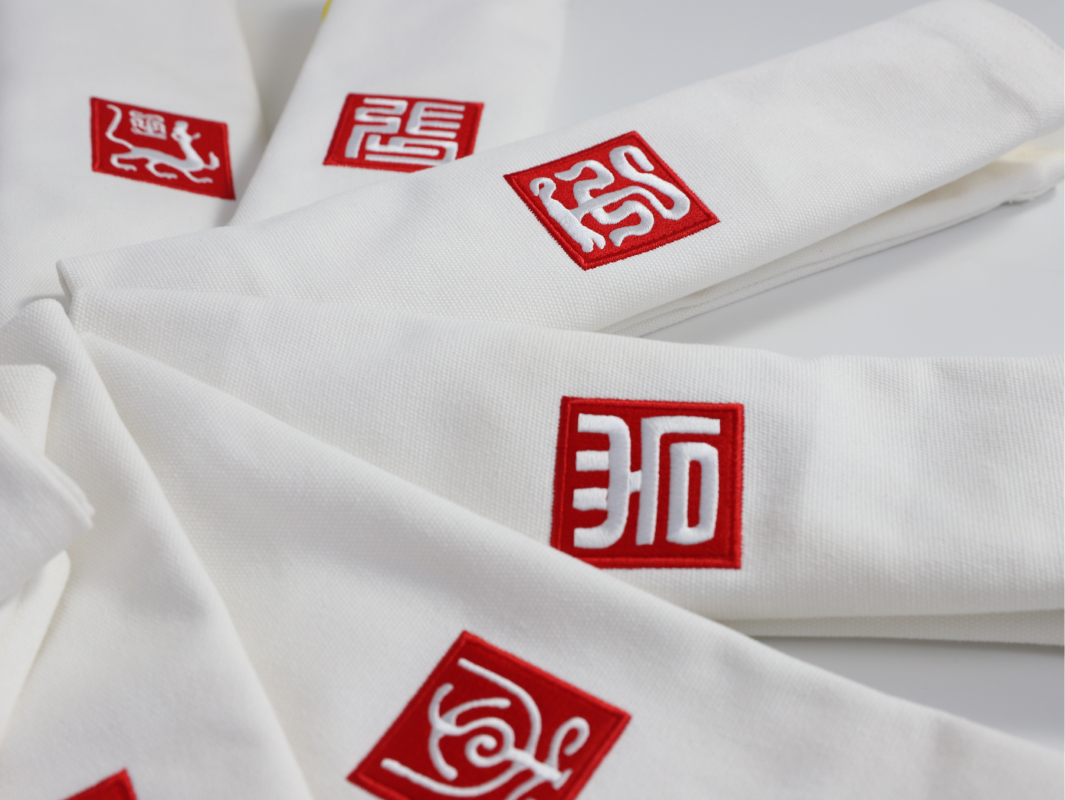
 Towel
Towel
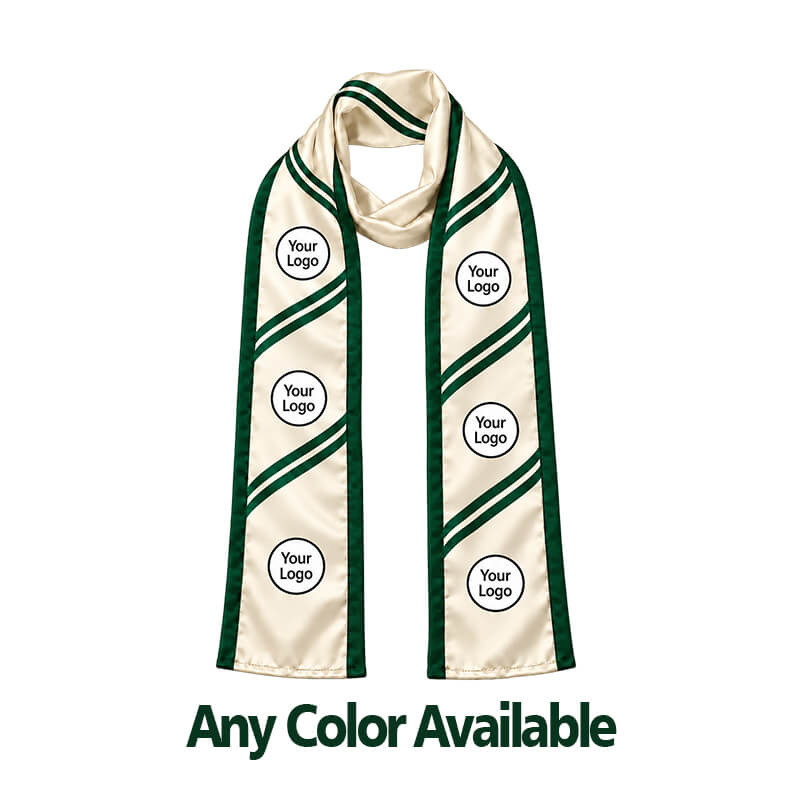
 Custom Scarf
 Cap
Cap

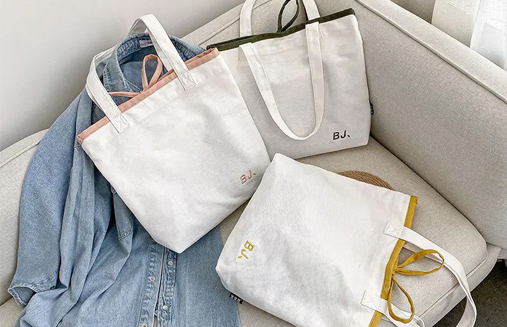

Why Leading Brands Are Choosing Single-Source OEM Partnerships
In an era marked by globaluncertainties, rising logistics costs, and consumer demands for faster delivery, global brands are increasingly consolidating their supplier networks. A growing number of industry leaders—from sportswear giants to promotional merchandise specialists—are shifting from fragmented multi-OEM strategies to deep, single-source partnerships. This article examines the strategic drivers behind this trend, focusing on how supply chain consolidation, vertical integration, and long-term OEM collaboration enable brands to achieve cost efficiency, quality consistency, and agility in volatile markets. For procurement directors and supply chain managers, understanding why competitors like Nike and Coca-Cola are embracing this model could redefine your approach to textile manufacturing partnerships.
The Rise of Supply Chain Consolidation: From Fragmentation to Focus
The COVID-19 pandemic exposed critical vulnerabilities in decentralized supply chains: delayed shipments, inconsistent quality across factories, and inflated costs from managing multiple vendors. In response, 63% of Fortune 500 companies have reduced their OEM partners by 40–60% since 2020, according to McKinsey.
For textile brands producing apparel, flags, or promotional items, consolidation offers three key advantages:
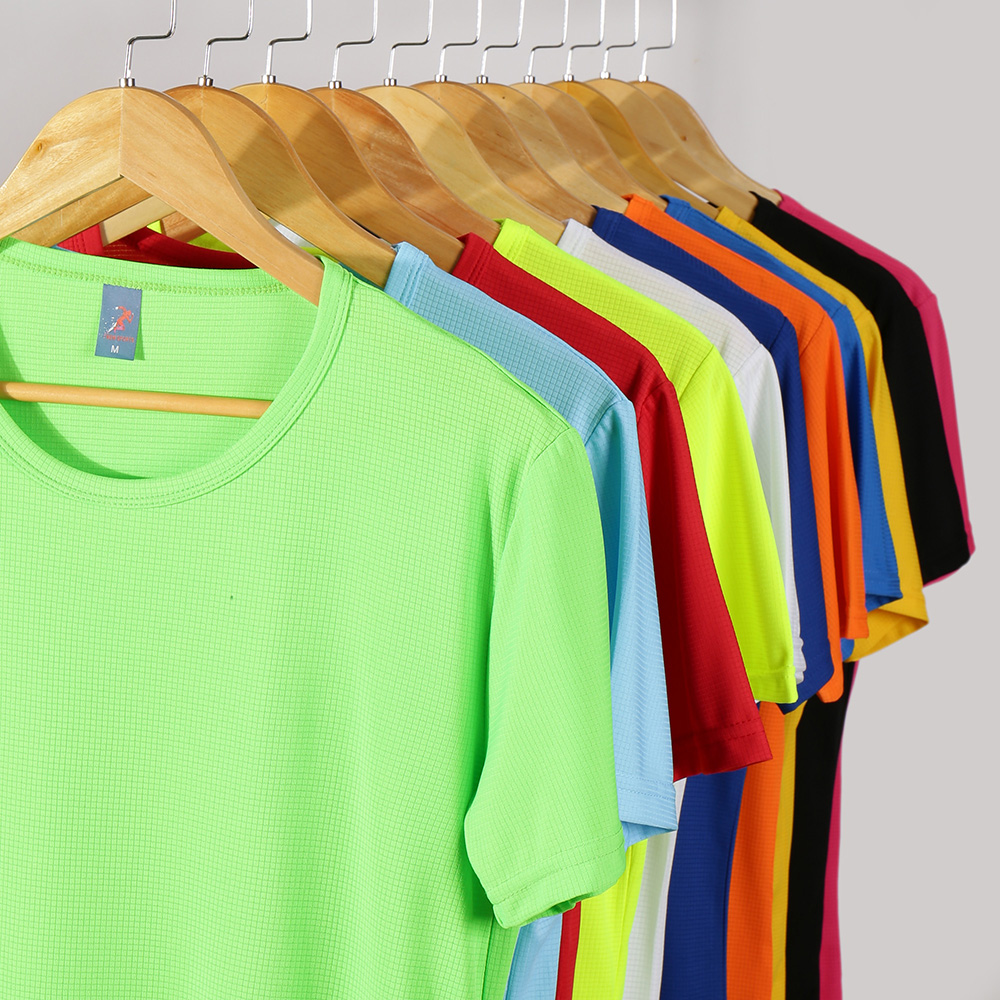
Cost Optimization: Bundling orders for T-shirts, hats, and towels with a single OEM like Gahumi leverages economies of scale, reducing per-unit costs by 12–18%. Quality Control: Uniform standards across product categories—ensured by Gahumi’s ISO 9001-certified facilities—eliminate defects caused by varying factory practices. Simplified Compliance: Centralized oversight of REACH, CPSIA, and WRAP certifications minimizes audit complexity.
4 Strategic Benefits of Single-Source OEM Partnerships
Benefit 1: Accelerated Time-to-Market Through Vertical Integration
Gahumi’s 5,000 sqm vertically integrated campus—housing raw material storage, automated printing, and assembly lines—enables brands to slash lead times by 30–50%. For example, a U.S. beverage company reduced its promotional towel production timeline from 60 to 28 days by consolidating orders with Gahumi, bypassing third-party embroidery subcontractors.
Benefit 2: Enhanced Innovation via Co-Development
Long-term partnerships foster trust for joint R&D. Gahumi’s collaboration with a European soccer league led to moisture-wicking scarves with integratedchips for fan engagement—a product that achieved 22% higher margins than standard designs.
Benefit 3: Risk Mitigation in Raw Material Sourcing
With control over yarn, dyes, and accessories, single-source OEMs insulate brands from price volatility. Gahumi’s pre-negotiated contracts with global cotton suppliers locked in 2024 pricing for clients, saving them $2.8 per kg amid market spikes.
Benefit 4: ESG Alignment Made Scalable
Consolidated production simplifies sustainability reporting. Gahumi’s certified factories and OEKO-TEX® dyes allow brands to meet ESG targets across all products—from organic cotton T-shirts to recycled polyester flags—without auditing multiple suppliers.
Case Study: How a Brand Achieved 40% Cost Savings
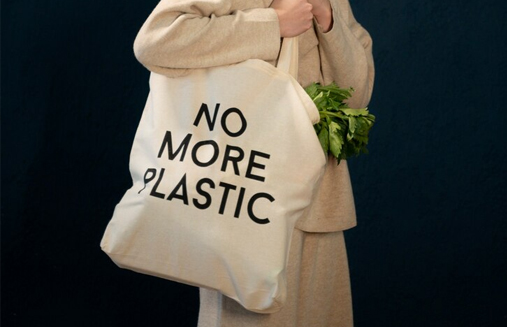
A mid-tier apparel brand previously split orders between 5 OEMs for T-shirts, hats, and tote bags. After switching to Gahumi as a single-source partner, they:
- Reduced unit costs by 17% through bulk material procurement.
- Standardized color matching across 12 product lines using Gahumi’s digital Pantone system.
- Cut carbon footprint by 28% via consolidated shipping.
Within 18 months, the brand redirected $1.2M in savings into marketing, boosting YOY revenue by 34%.
Key Criteria for Selecting a Consolidation-Ready OEM Partner
Not all factories can support single-source strategies. Brands should prioritize OEMs with:
- End-to-End Capabilities: Verify in-house processes for dyeing, printing, sewing, and packaging—like Gahumi’s 3 specialized production hubs.
- Scalable Capacity: Ensure facilities can handle sudden 300% order increases, as seen during election cycles for campaign flags.
- Geopolitical Diversification: Partners with factories in multiple regions (e.g., Gahumi’s China base + Southeast Asian partners) mitigate tariff risks.
- Transparent Data Systems: tracking of orders, from fabric rolls to finished canvas bags.
The Future of OEM Relationships: From Vendors to Value Architects
As consolidation accelerates, OEMs are evolving into strategic allies that offer:
- Demand Forecasting: Gahumi’s AI-free analytics tools (compliant with client guidelines) help brands predict seasonal needs for golf towels or winter hats.
- Inventory Financing: Extended payment terms for loyal partners during peak seasons.
- Co-Branded Marketing: Joint campaigns highlighting sustainable practices, like Gahumi’s zero-discharge dyeing process for eco-conscious flags.
Why Gahumi Excels in Single-Source OEM Partnerships
With 31 years of expertise, Gahumi has mastered the balance between scale and specialization. Our 300+ technicians, vertically integrated workflows, and compliance-first approach empower brands to consolidate production without compromising flexibility. Whether you’re producing 50,000 event flags or 2,000,000 premium T-shirts, Gahumi delivers the consistency, speed, and strategic insight that fragmented supply chains cannot match. In the age of consolidation, we’re not just a supplier—we’re your operational backbone.