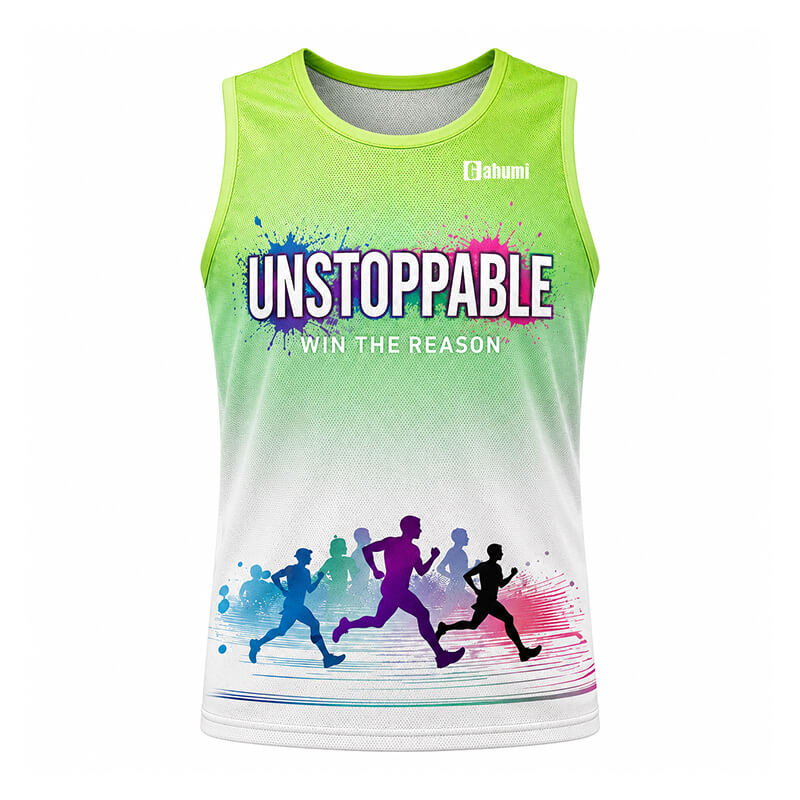
 Tshirt
 Custom Hoodie & Sweat
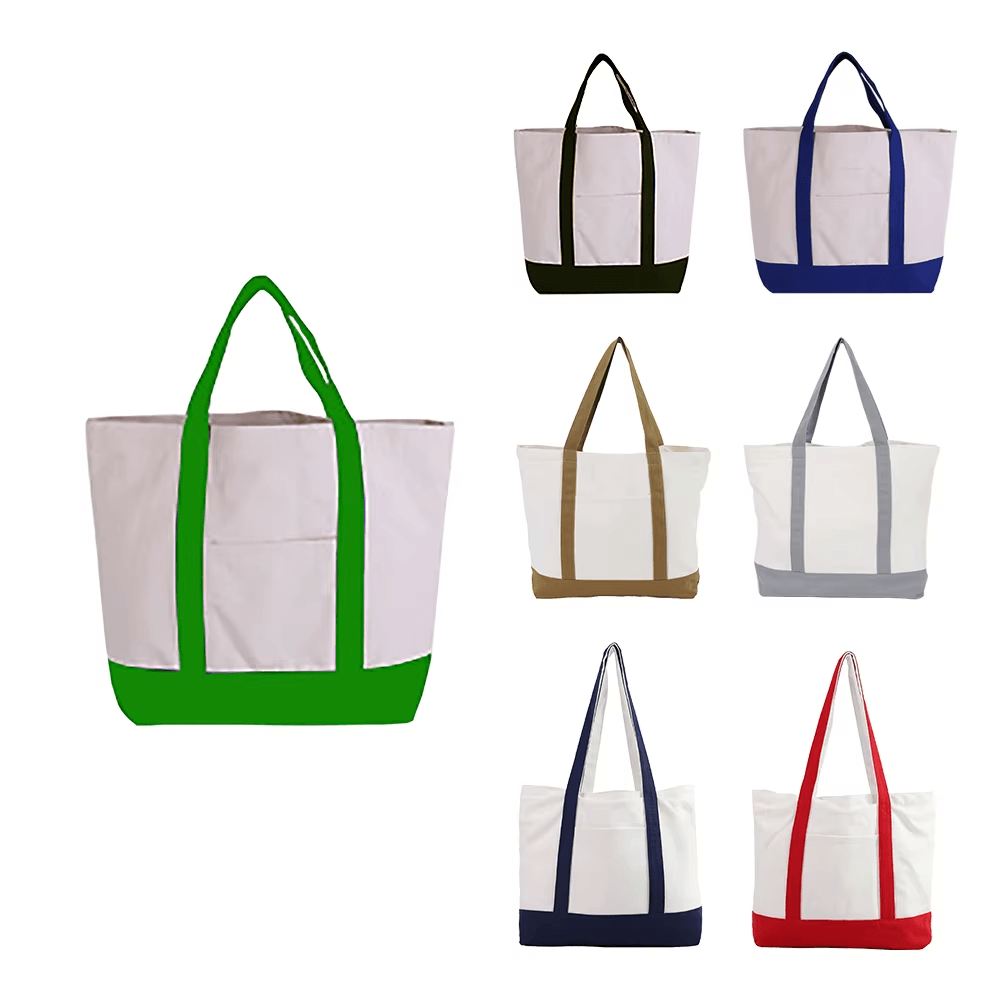
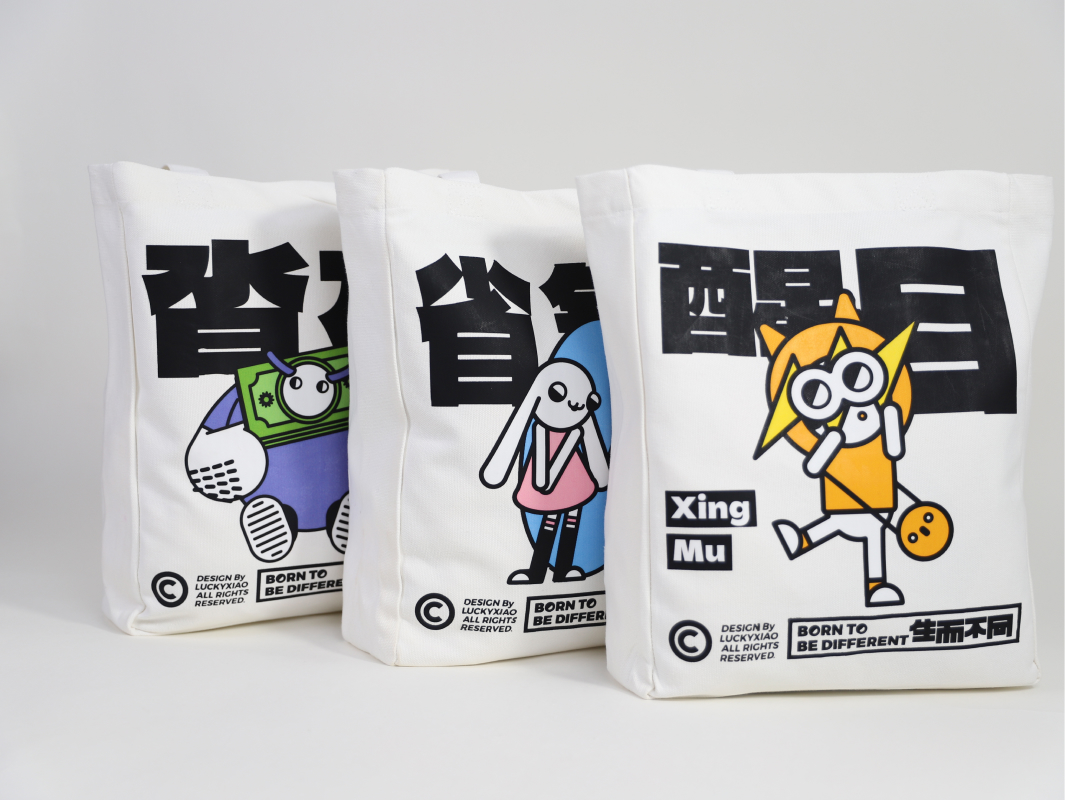
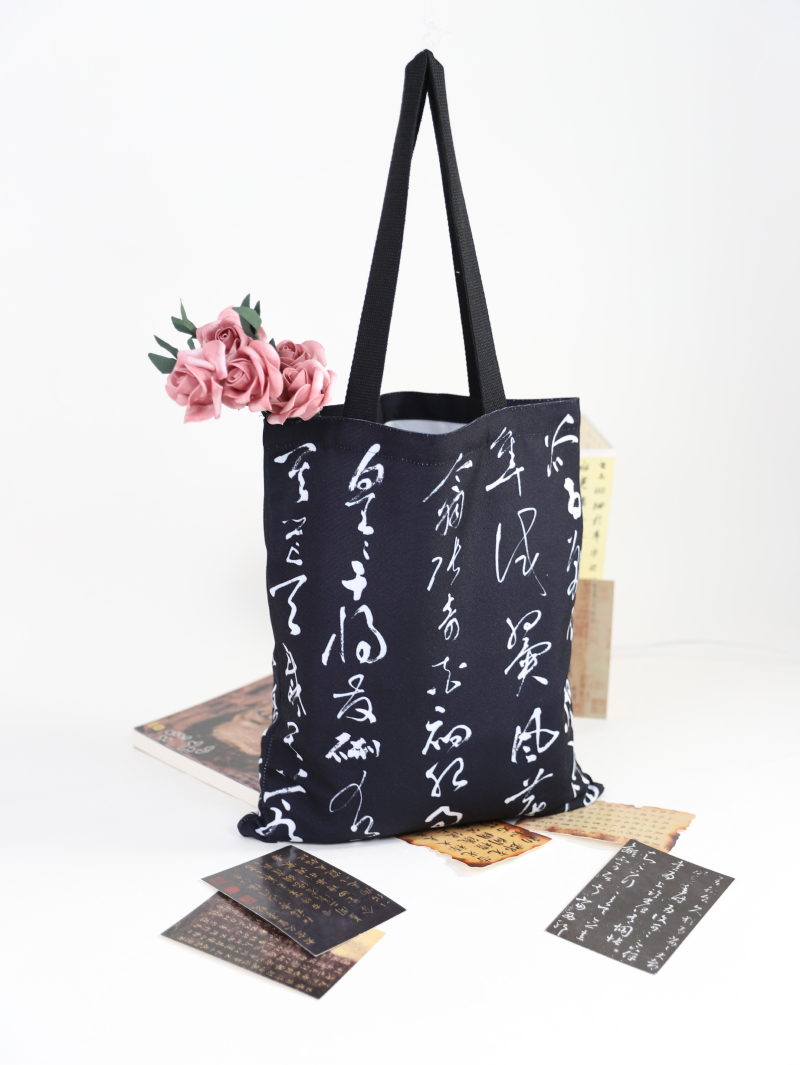
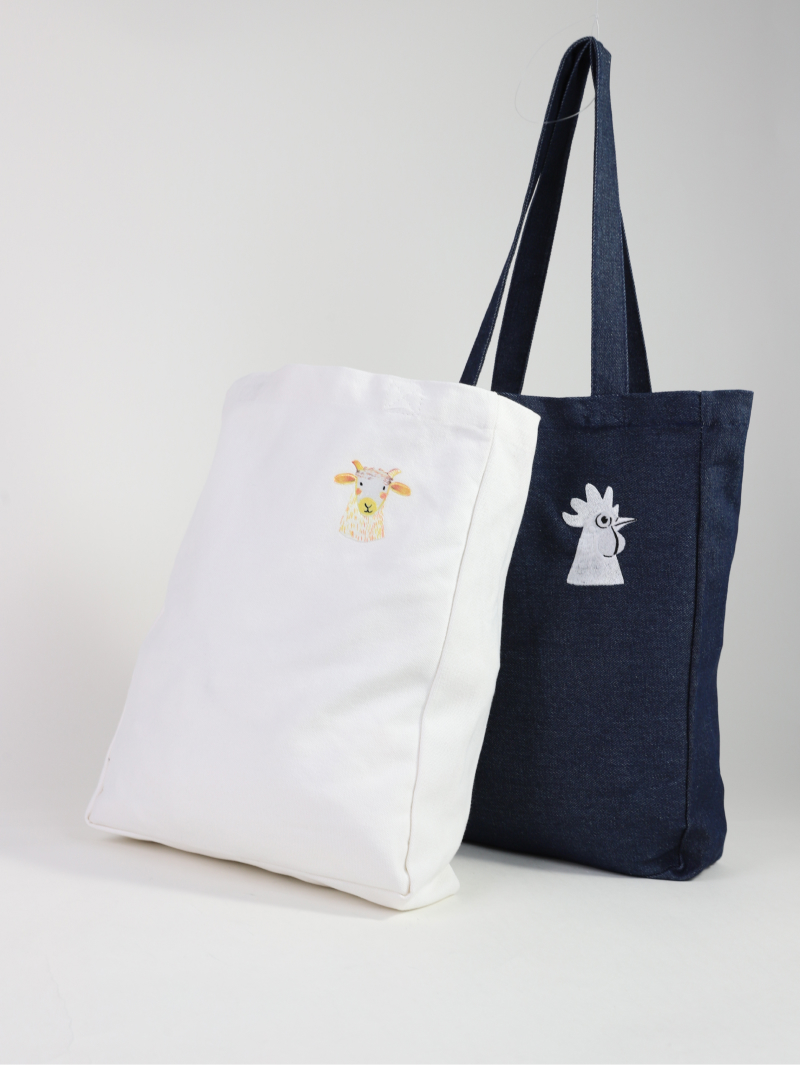
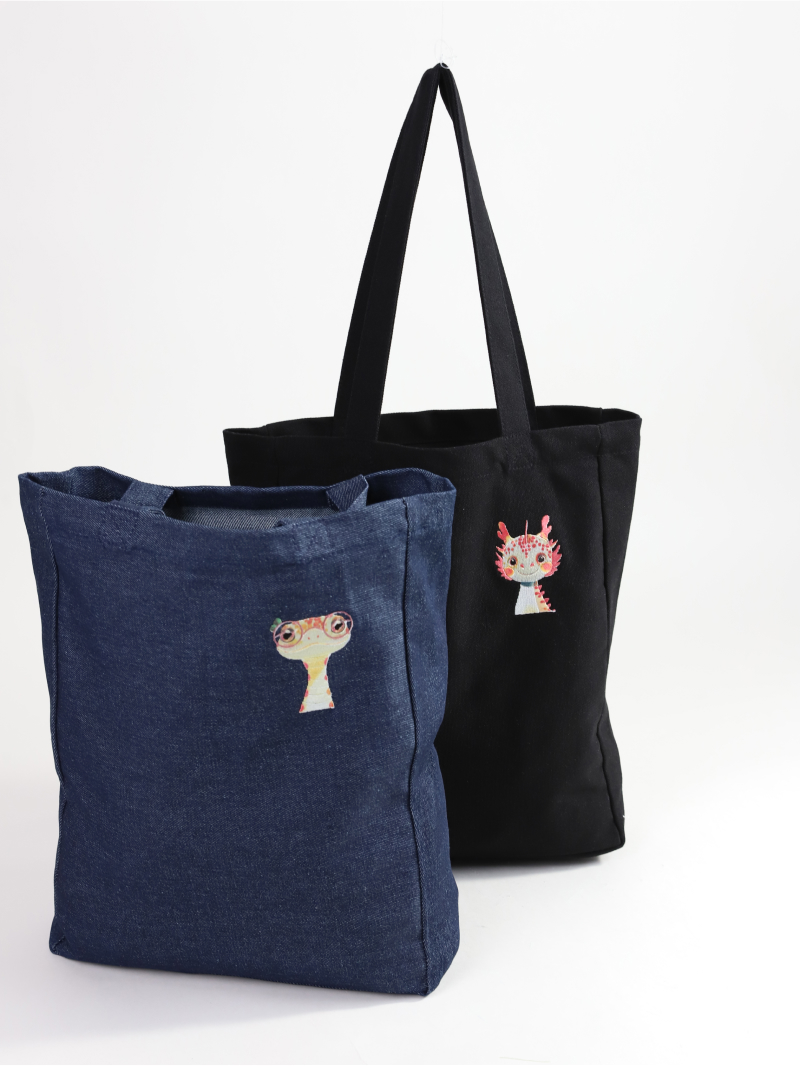
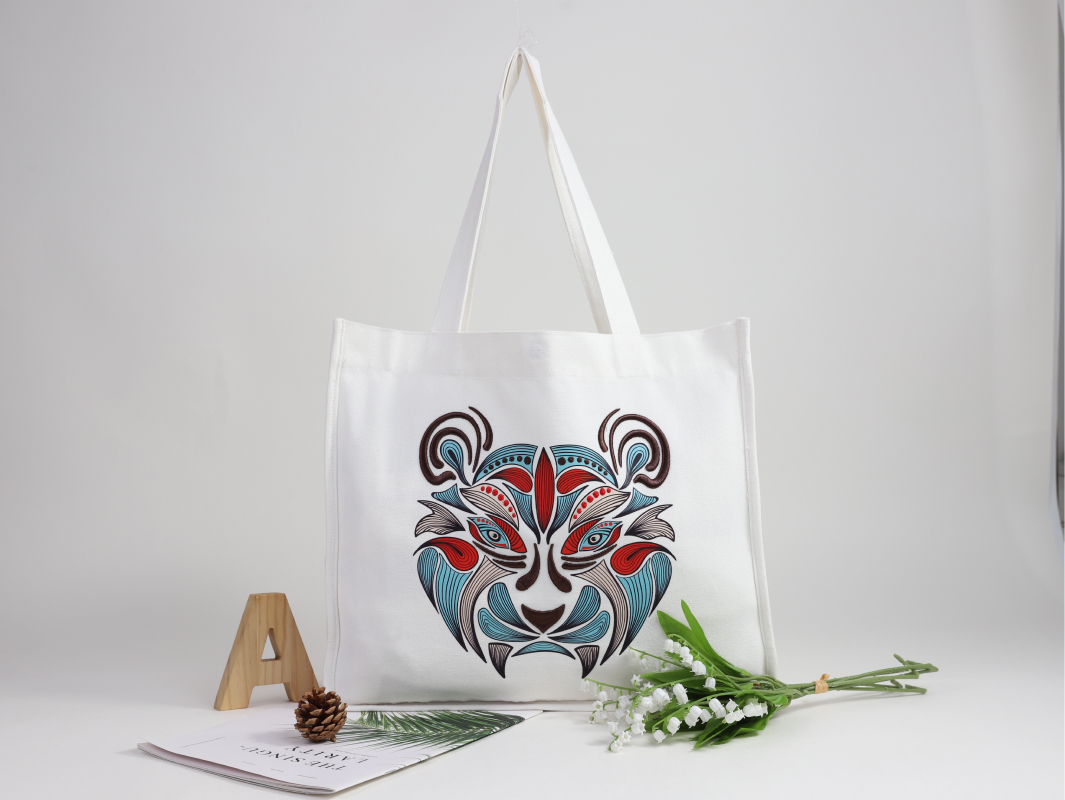
 Custom Bags
 Flag
Flag
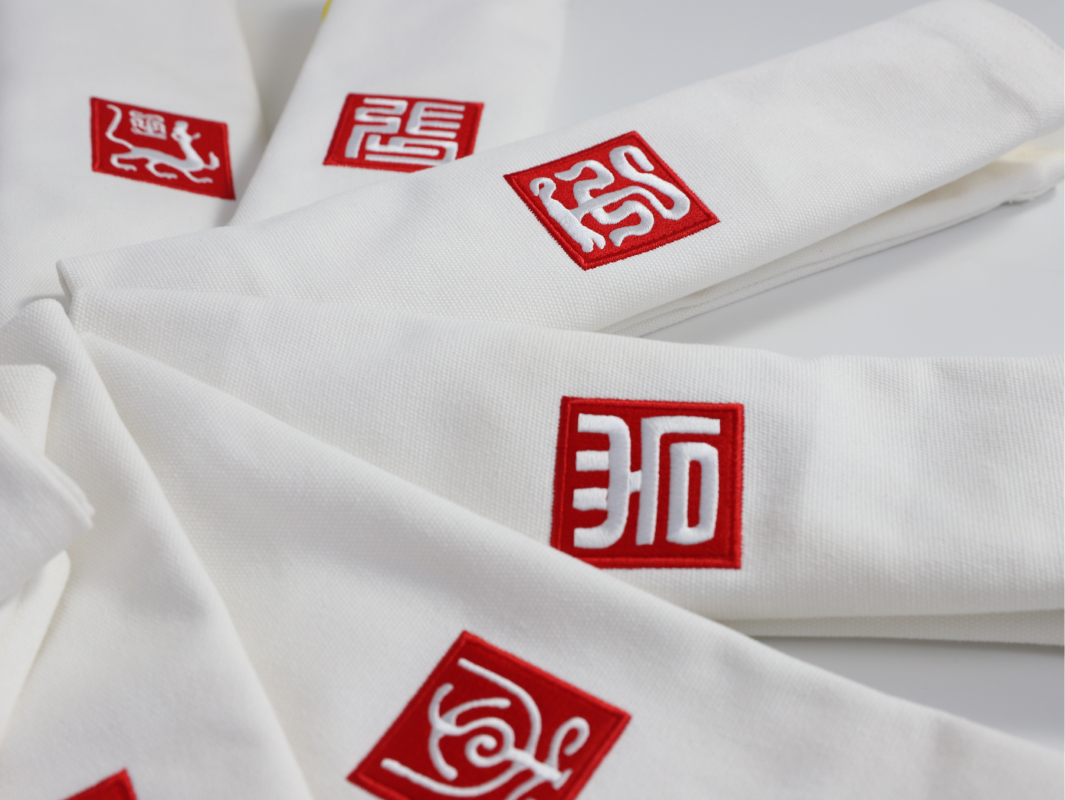
 Towel
Towel
 Custom Scarf
 Cap
Cap

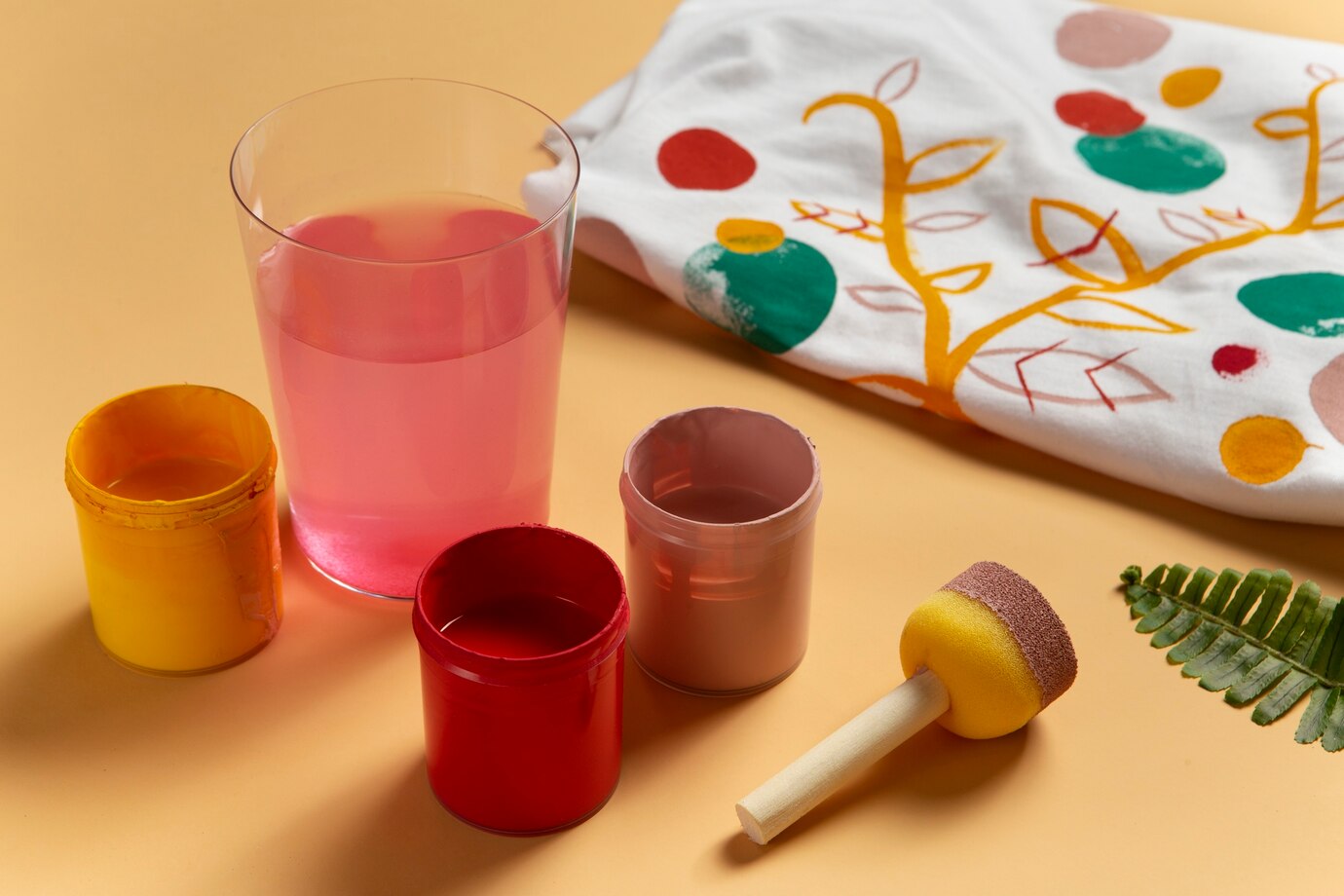
As global regulators tighten environmental mandates and consumers demand ethical accountability, brands face mounting pressure to adopt sustainable practices—without inflating costs. The textile industry, responsible for 10% of global carbon emissions, is at a crossroads: Can eco-conscious production coexist with profitability? This article analyzes how innovations in low-cost sustainable dyes, closed-loop water systems, and certification-driven manufacturing enable companies to reduce environmental impact while boosting CSR ratings and margins. Focusing on Gahumi’s 18% cost reduction in eco-dye adoption, we explore actionable strategies for brands to align with ESG goals, satisfy stakeholder demands, and future-proof supply chains in an era where sustainability is non-negotiable.
The CSR Imperative: Why Sustainable Dyes Now Drive Brand Value
Corporate Social Responsibility (CSR) has evolved from a PR checkbox to a core business metric. Key drivers include:
- Regulatory Pressure: EU’s Strategy for Sustainable Textiles mandates 50% CO2 reduction by 2030.
- Investor Scrutiny: 76% of institutional investors prioritize ESG-compliant partners (McKinsey, 2023).
- Consumer Activism: 68% of Gen Z buyers pay premiums for brands using eco-friendly dyes (NielsenIQ).
Gahumi’s clients leverage cost-optimized sustainability to meet these demands: OEKO-TEX® certified dyes now priced 18% below 2022 levels, with equal vibrancy and durability.
Breaking Down the 18% Cost Reduction: 3 Technical Breakthroughs
Innovation 1: High-Yield Dye Synthesis
Traditional eco-dyes suffered from low pigment concentration, requiring 30% more volume. Gahumi’s R&D team developed:
- Nano-Dispersion Technology: Increases dye uptake by fabrics by 40%, cutting consumption.
- Waste-to-Dye Conversion: Repurposing textile sludge into auxiliary chemicals saves $2.3 per kg.
Innovation 2: Energy-Efficient Application
Conventional dyeing consumes 100–150 liters of water per kg of fabric. Gahumi’s systems slash this via:
- AirFlow Dyeing Machines: Use 70% less water and 50% less energy for T-shirts.
- Cold Pad Batch Processing: Fixes dyes at 25°C (vs. 80°C), reducing energy costs by $0.15 per towel.
Innovation 3: Bulk Circular Sourcing
Partnering with 12 global suppliers, Gahumi secures plant-based dyes (e.g., indigo from fermented algae) at 22% lower costs through:
- Long-Term Offtake Agreements: Guaranteeing 3-year pricing stability.
- Regional Material Hubs: Cutting import tariffs by producing dyes locally in Vietnam and India.
Case Study: Apparel Brand Achieves B Corp Certification via Dye Shift
A U.S. streetwear brand transitioned 80% of its T-shirt production to Gahumi’s eco-dye system, achieving:
- 18-Month ROI: Despite a 12% initial cost hike, savings from reduced water/energy usage offset expenses.
From Compliance to Competitive Edge: CSR as a Growth Lever
Beyond avoiding penalties, strategic sustainability drives revenue:
- B2B Tender Advantages: EU public sector contracts now require 30%+ recycled content in textiles.
- Brand Premiums: Companies using Gahumi’s eco-dyes report 15–20% higher B2B pricing for “green” uniforms.
- Investor Incentives: Access to $8 trillion in global ESG-focused funds (Morningstar, 2023).
Implementing Cost-Effective Sustainability: A 4-Step Roadmap Audit & Baseline: Measure current dye-related emissions and costs (Gahumi offers free LCAs). Phased Adoption: Start with high-margin products (e.g., organic cotton towels) before scaling. Certification Stacking: Combine OEKO-TEX®, GOTS, and BLUESIGN® for maximum credibility. Transparent Storytelling: Use QR codes on hangtags to showcase dye origin and CO2 savings.
Why Gahumi Leads in Affordable Sustainable Manufacturing
With 31 years of textile expertise, Gahumi transforms eco-aspirations into operational reality. Our 5,000 sqm vertical campus—equipped with zero-discharge dye houses and WRAP-certified assembly lines—ensures brands meet CSR targets without sacrificing speed or margins. From 50,000-unit T-shirt orders to bespoke flag collections, we prove that sustainability and profitability aren’t mutually exclusive—they’re the fabric of future success.