 Tshirt
 Custom Hoodie & Sweat
 Custom Bags
 Flag
 Towel
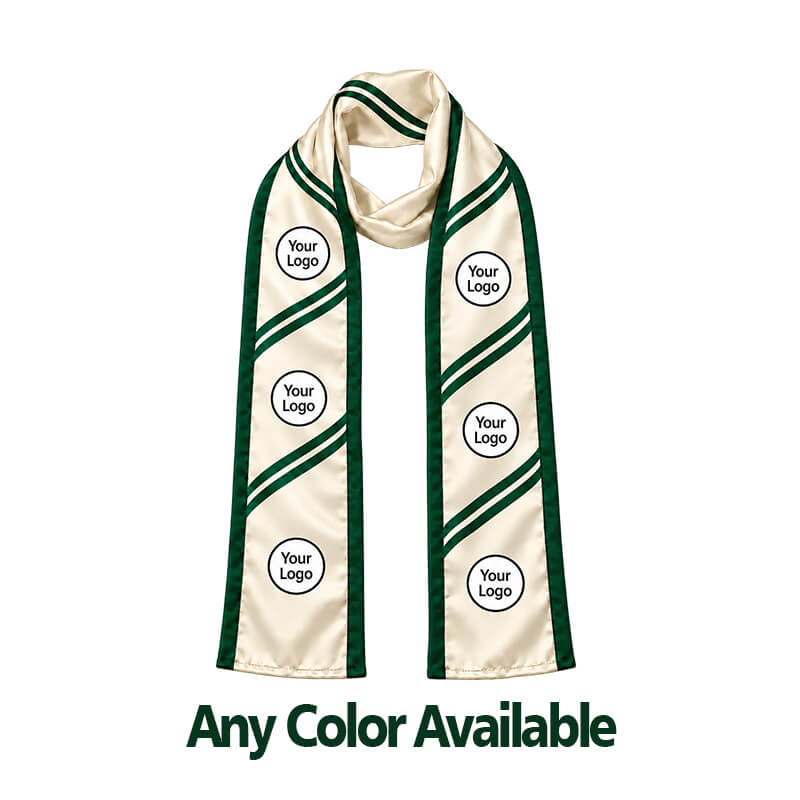
 Custom Scarf
 Cap

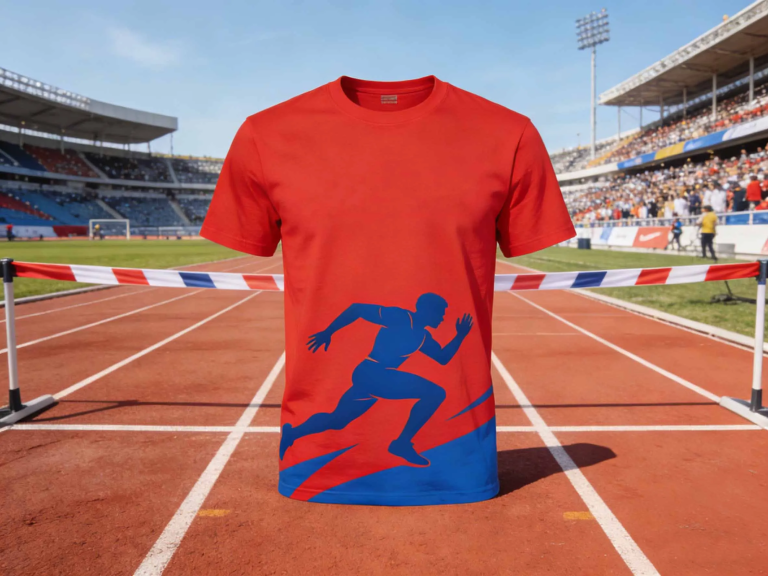
For outdoor races and major sporting events, selecting the right T-shirt fabric impacts participant comfort, print quality, and overall unit cost. If you are sourcing 500 to 10,000 shirts for a 5K, 10K, or half-marathon, evaluating fabric weight, breathability, branding needs, and production lead times early is essential before issuing a purchase order.
Working with an experienced custom marathon apparel manufacturer helps streamline this process from fabric selection to final delivery.
1. Compare Five Fabrics for Custom Event T-Shirts
| Fabric Type | Main Advantage | Best Use Case | Suggested Printing Method |
| 140–160 GSM Polyester | Lightweight and cost-effective | Large event giveaways and 5K running shirts | Sublimation / Screen Print |
| Bird-Eye Mesh | Open knit structure supports maximum airflow | Hot-weather races and active sports | Sublimation |
| Quick-Dry Polyester | Moisture-wicking technology for sweat control | Long-distance races and marathons | Sublimation / Heat Transfer |
| Cotton (Carded or Combed) | Soft, familiar hand feel and casual wear | Staff uniforms, casual promotional T-shirts | Screen Print / DTF |
| Heavyweight Cotton (300GSM) | Structured, premium drape that holds shape | Premium event merch and lifestyle brands | Screen Print / Embroidery |
When selecting materials for hot-weather events, fabric performance ultimately depends on knit construction, finishing, and overall garment design. While a lower GSM reduces total shipment weight, true breathability relies heavily on moisture-wicking treatments and mesh open-ness. To avoid unexpected surprises in mass production, request physical fabric swatches from the factory to inspect color accuracy, weight, and hand feel before issuing final approval.
2. Which Fabric Suits a 5K, 10K, or Half-Marathon?
-
5K Events & Fun Runs: For charity walks and mass-participation fun runs, 140–160 GSM polyester offers a practical balance between weight and budget.
-
10K Events: Lightweight polyester or breathable bird-eye mesh suits events where runners need both thermal comfort and a sharp, sporty appearance.
-
Half-Marathons & Marathons: Opt for quick-dry polyester or bird-eye mesh. Runners wear these garments for 2+ hours, making moisture management, anti-chafing seams, and weight critical.
If you also need structured apparel for event staff or premium retail merchandise, partnering with a reliable 300gsm heavyweight t-shirt vendor ensures your lifestyle gear matches your performance wear in quality.
3. Matching Fabric with Printing Methods for Sponsor Logos
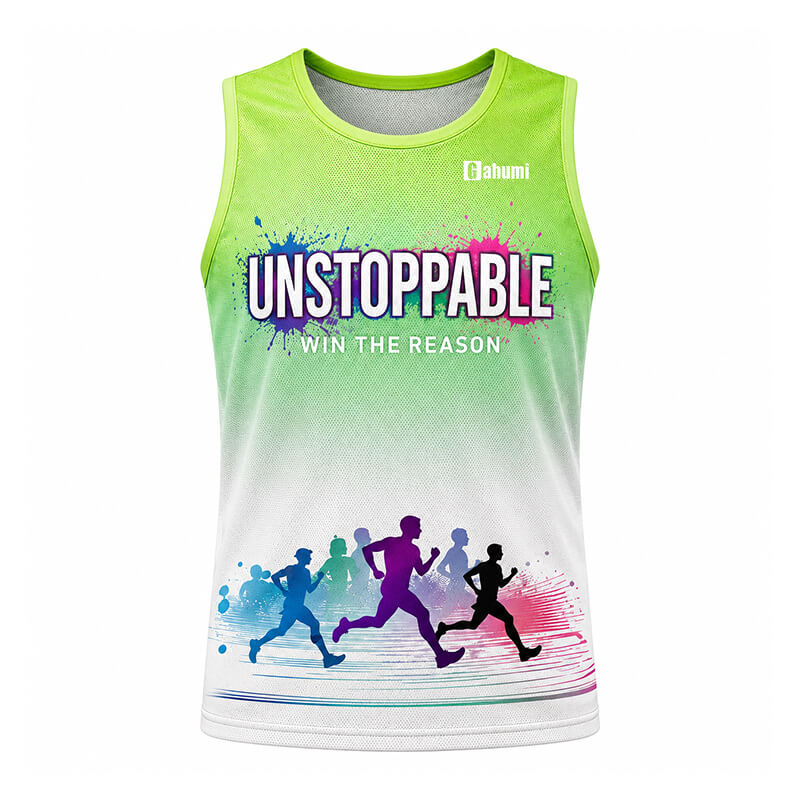
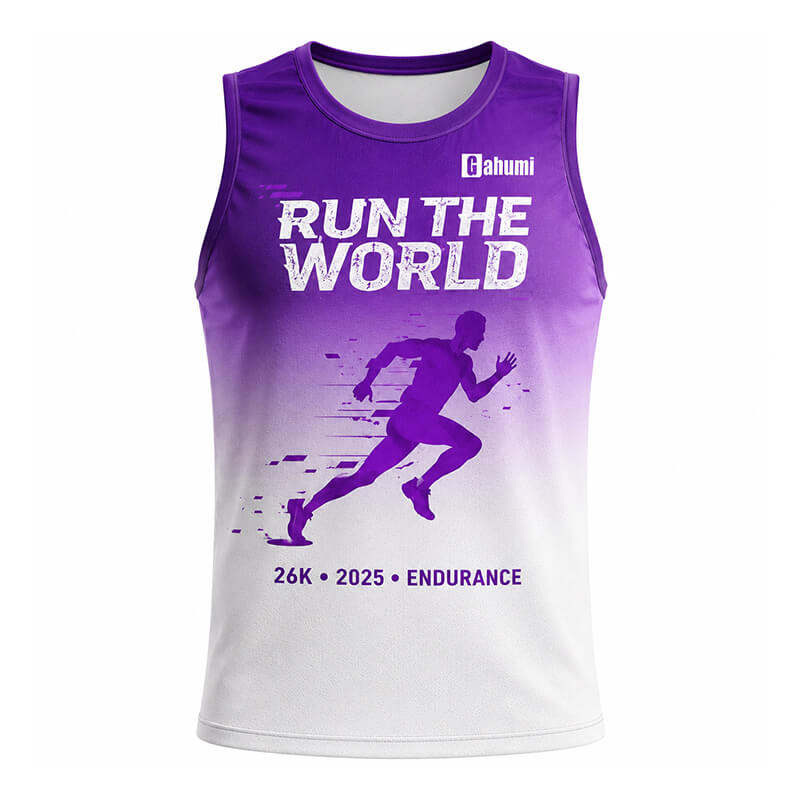
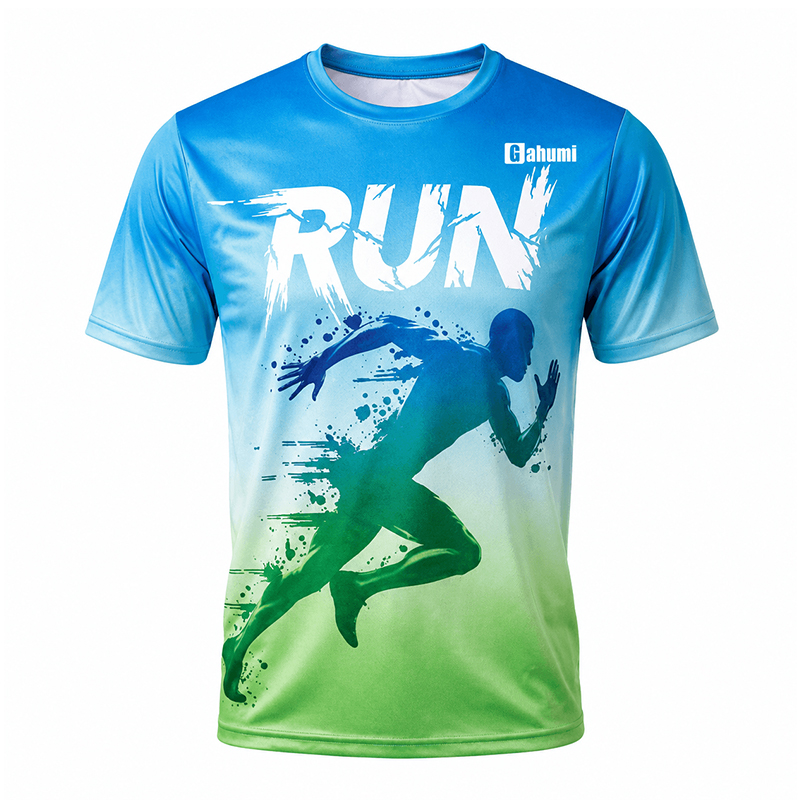
For all-over race graphics, sublimation on 100% polyester remains the industry standard. It integrates sponsor logos, gradients, and race bib areas directly into the fabric without adding weight or blocking breathability.
Depending on your design requirements:
-
Full Dye Sublimation: Ideal for complex graphics, multiple sponsor logos, and vibrant color gradients on polyester.
-
Screen Printing: Best for simple, solid-color vector artwork or single sponsor logos on cotton and standard polyester blends.
-
DTF (Direct-to-Film) / Heat Transfers: Suitable for small logo placements, individual names, or short-run modifications.
Partnering with a specialized sublimation sports t-shirt factory ensures sharp color accuracy and prevents logo bleeding during high-temperature washing.
4. How to Plan Bulk Orders: 500 vs. 5,000 vs. 10,000 Pieces
Organizing custom event t-shirts wholesale requires distinct strategies depending on your volume:
-
Orders of 500 Pieces: Stick to in-stock fabric colors and standard sizing scales to keep setup costs low. Confirm print placements early to avoid extra pre-production proofs.
-
Orders of 5,000–10,000 Pieces: Pay close attention to lab-dip approvals, custom dye lots, bulk packaging (e.g., individual polybags by size), and split-shipment logistics across multiple event hubs.
Larger production runs significantly lower unit costs, but your final invoice also reflects artwork coverage, garment construction, and freight mode. Always compare vendor quotes based on matching technical specifications rather than total price alone.
5. Timeline: Pre-Production Samples and Freight Logistics
For major athletic events, start sourcing 10 to 12 weeks before event day. This buffer allows sufficient time for physical pre-production sample approval, bulk sewing, quality control inspections, and ocean transit.
Before granting mass production approval, inspect the sample for:
-
Fabric Hand Feel & GSM Weight
-
Sizing Chart Accuracy & Stitch Integrity
-
Sponsor Logo Placement & Pantone Color Matching
Freight Planning
-
Sea Freight: Most economical for large orders (1,000+ pieces) when you have 4–6 weeks for transit.
-
Air Freight / Express: Faster (5–10 days) for urgent deadlines, but significantly increases your overall landed cost per unit.
Source Custom Event T-Shirts Direct from Factory
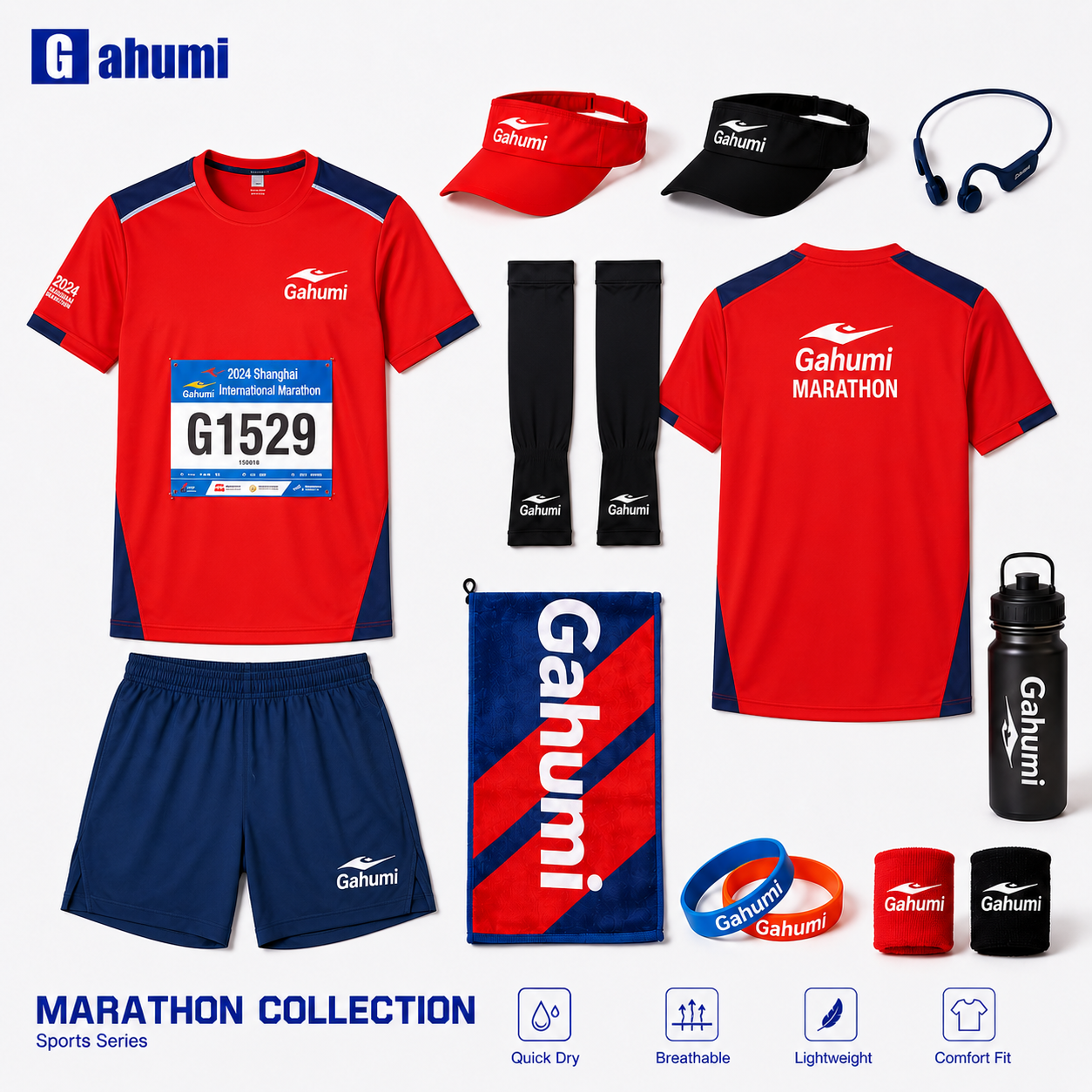
Gahumi is a trusted custom marathon apparel manufacturer providing high-performance sportswear and promotional apparel for race organizers, sports clubs, and corporate sponsors worldwide. From lightweight bird-eye mesh to 300GSM heavyweight streetwear tees, we deliver end-to-end OEM/ODM manufacturing.
Ready to start your next event order?
Browse our custom sportswear catalog or contact tshirts@gahumi.com with your estimated quantity, artwork files, preferred fabric, and target delivery date for a factory-direct quote.
Please include your WhatsApp number in your email so we can connect and discuss your project online more conveniently.